
Ask any finance manager at a Nigerian business what month-end looks like, and the answer follows a familiar pattern. The payment run is done. The invoices have gone out. And then someone opens the bank statement, and the real work begins.
Matching hundreds of incoming transfers to the corresponding invoices. Investigating payments that arrived without reference numbers. Chasing the ones that never arrived. Manually entering data into the accounting system. The need to check and recheck figures that should have been automatically correct. By the time reconciliation is complete, days have passed, and the close is already behind schedule.
Finance teams in mid-sized Nigerian firms spend an estimated 30 to 50 hours per month on manual reconciliation alone. AI-driven reconciliation systems can save finance teams up to 80% of the time traditionally spent on this work. The gap between what manual reconciliation costs and what automated reconciliation delivers is one of the clearest and most immediately actionable improvements available to Nigerian businesses today.
Why Manual Payment Reconciliation Is Particularly Difficult in Nigeria
Payment reconciliation is difficult in any business with high transaction volume. In Nigeria, the structural characteristics of the banking system make it harder than it needs to be.
Nigerian bank transfers were not designed to carry structured invoice data. The fix is not asking clients to fill in reference fields correctly. They never will consistently. When a customer makes a bank transfer without a reference number, which happens routinely in Nigerian B2B transactions, the receiving business sees an amount and a sender name. Which invoice it settles is invisible until someone investigates manually.
Multiply this across a month of transactions and the reconciliation problem becomes clear. Finance teams are not spending 30 to 50 hours on reconciliation because they are slow or underskilled. They are spending it because the payment infrastructure was not designed to make matching automatic. Every unmatched transfer is an investigation. Every investigation takes time. The time adds up.
Beyond the unmatched transfer problem, manual reconciliation in Nigerian businesses is complicated by:
Timing differences. A payment initiated on one date may settle on a different date, creating discrepancies between the bank statement and the expected payment record that require manual investigation.
Multiple bank accounts. Payments collected through different banks, different portals, and different payment channels need to be pulled together and matched against a single invoice ledger.
Multi-currency transactions. Businesses collecting in USD, EUR, or GBP alongside naira need to reconcile across currencies with the correct exchange rates applied at the right timestamps.
Partial payments. A customer pays NGN 450,000 against a NGN 500,000 invoice. The outstanding balance needs to be tracked, the partial payment recorded, and the invoice kept open in the receivables ledger.
What Automated Payment Reconciliation Actually Does
Automated reconciliation does not just speed up the manual process. It replaces the process entirely for the majority of transactions, leaving only genuine exceptions for human review.
Automated reconciliation systems that match blind payments to open invoices handle the most time-consuming part of the reconciliation process: cases where a customer pays without a reference number or sends a single lump sum for multiple invoices.
A well-implemented automated reconciliation system handles the following without manual intervention:
Exact matches. A payment arrives for the exact amount of an open invoice from a known customer. The system matches, closes the invoice, and posts the entry to the accounting system automatically.
Partial payments. A payment arrives for less than the invoice amount. The system records the partial payment, calculates the outstanding balance, and keeps the invoice open in the receivables ledger as partially settled.
Overpayments. A payment arrives for more than the invoice amount. The system flags the overpayment, records the excess, and applies it as credit against the next invoice or holds it for review.
Multi-invoice payments. A customer pays a lump sum covering multiple invoices. The system allocates the payment across the relevant invoices based on configured matching rules.
Only transactions that do not match any of these patterns require human investigation. In a well-configured system, this should represent a small fraction of total transaction volume.
The Business Impact of Automating Reconciliation
The time saving is the most visible benefit of automated reconciliation, but it is not the most strategically significant one. Here is what changes across the business when reconciliation is automated:
Faster month-end close. When every transaction is matched and posted automatically as it arrives, month-end close becomes a confirmation of what the accounting system already reflects rather than a construction exercise. Finance teams that currently close in ten to fifteen business days can close in two to three.
Real-time cash visibility. Manual reconciliation produces a cash position that is always days or weeks behind reality. Automated reconciliation produces a cash position that is current to the last confirmed payment. Finance leaders make decisions on accurate data rather than lagging estimates.
Earlier identification of overdue accounts. When reconciliation is continuous rather than monthly, overdue invoices are visible the day they become overdue rather than the day the reconciliation exercise reveals them. Follow-up happens when it should, not weeks later.
Cleaner audit trails. Every automatically matched transaction carries a complete record: the invoice it settled, the amount, the timestamp, the matching rule applied, and the accounting entry created. Audit preparation that currently takes days takes minutes.
Reduced error rate. AI-driven reconciliation automation can save finance teams up to 80% of the time traditionally spent on reconciliation tasks, while significantly reducing manual errors. Manual data entry introduces errors at every step. Automated matching eliminates the entry step for matched transactions.
How to Set Up Automated Payment Reconciliation for Your Nigerian Business
Setting up automated reconciliation requires three things to be in place simultaneously: a payment collection infrastructure that tags incoming payments to the correct invoice or customer, a reconciliation engine that matches those tagged payments to open invoice records, and an accounting integration that posts confirmed matches to your books without manual data entry.
Step 1: Implement virtual accounts for payment collection.
Virtual accounts tag every incoming transfer to the correct customer automatically. This eliminates the unmatched transfer problem at source, which is the most significant contributor to manual reconciliation work in Nigerian businesses.
Step 2: Connect your payment platform to your invoicing system.
Every invoice created should generate a corresponding payment expectation in the reconciliation system. When a matching payment arrives, the system knows which invoice it settles without needing a reference number from the customer.
Step 3: Integrate with your accounting system.
Native integration with QuickBooks, Sage, or Xero means every confirmed match posts automatically to the correct account in your chart of accounts in real time. No manual data entry, no export and import cycle, no reconciliation lag at month-end.
Step 4: Configure exception handling rules.
Define how partial payments, overpayments, and unmatched transactions should be handled. Most should be managed automatically by configured rules. Only genuine exceptions that do not fit any rule should require human review.
How Duplo Handles Payment Reconciliation for Nigerian Businesses
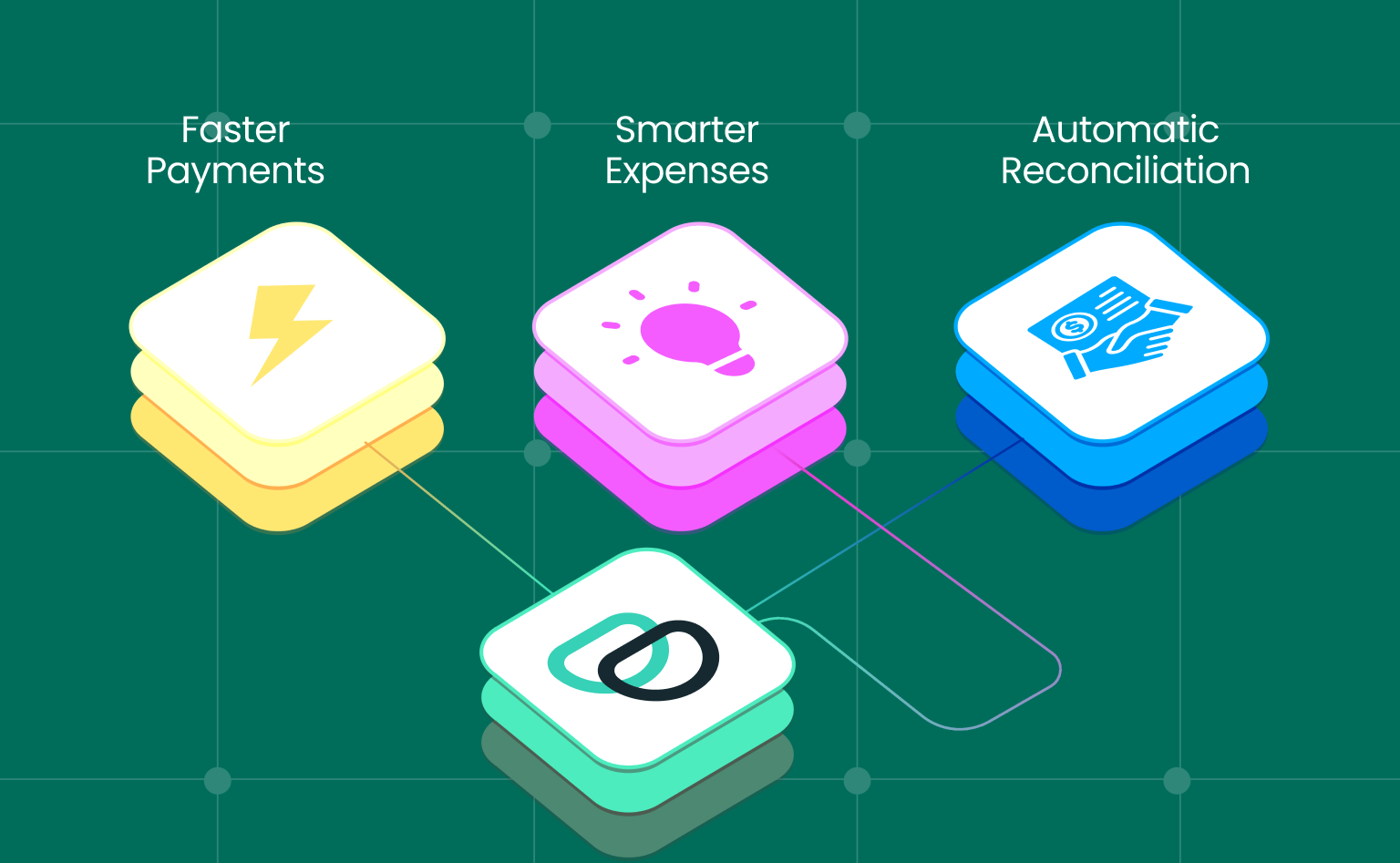
Duplo eliminates manual payment reconciliation from the moment a payment arrives to the moment it is reflected in your accounting system.
Virtual accounts for automatic payment matching. Every customer is assigned a unique virtual account. Every transfer is pre-matched to the correct invoice automatically. No manual investigation of unmatched transfers.
Automated partial payment, overpayment, and multi-invoice handling. Configured rules handle the scenarios that currently consume the most manual reconciliation time. Finance teams review only genuine exceptions.
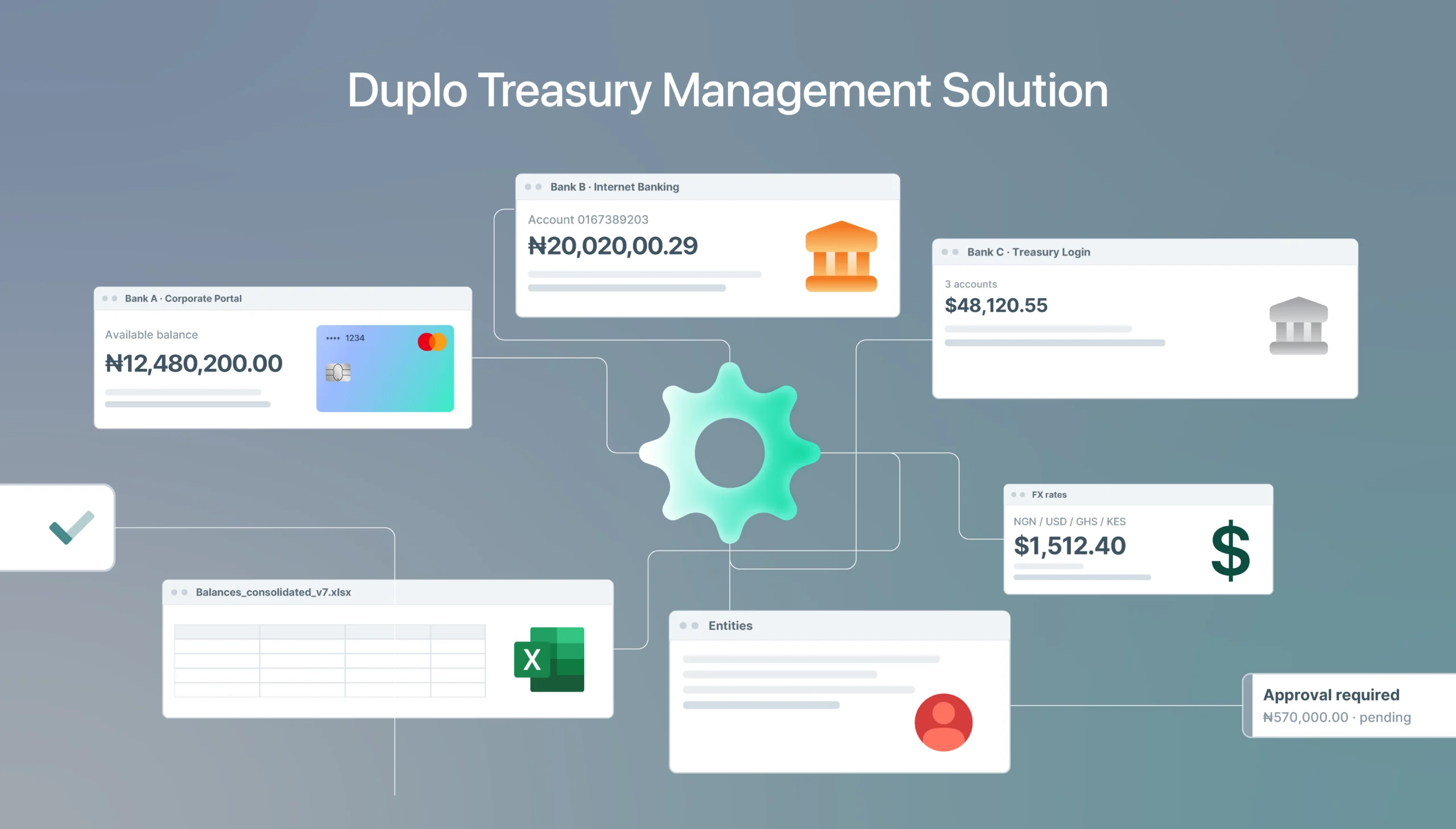
Real-time reconciliation dashboard. See every invoice status live: outstanding, partially paid, fully paid, overdue. Cash position current to the last confirmed payment at any moment of the month.
Auto posting to QuickBooks, Sage, and Xero. Every confirmed match is posted to your accounting system automatically in real time. Month-end close reflects what is already in the system rather than what needs to be entered into it.
Multi-currency reconciliation. Collections in USD, EUR, and GBP reconciled automatically with the correct exchange rates applied. No manual currency conversion entries.
The Path Forward
Manual payment reconciliation is not a finance team performance problem. It is a systems problem. Finance teams spending 30 to 50 hours per month matching bank statement entries to invoices are not doing it because they lack skill. They are doing it because the payment infrastructure was not designed to make matching automatic.
Automated reconciliation replaces that work at the infrastructure level. The matching happens as transactions arrive. The accounting system stays current. Month-end close becomes a confirmation rather than a construction. The finance team spends its time on analysis and decision-making rather than data administration.
Duplo is built to deliver automated reconciliation for Nigerian businesses within a connected payment platform that handles collections, vendor payments, and financial controls in the same system. Click here!
Frequently Asked Questions
What is automated payment reconciliation?
Automated payment reconciliation is a system that matches incoming payments to the corresponding open invoices without manual intervention, and posts the confirmed matches to your accounting system in real time. It replaces the manual process of comparing bank statement entries to invoice records, which currently consumes significant finance team time in most Nigerian businesses.
Why is payment reconciliation so difficult for Nigerian businesses?
Because Nigerian bank transfers were not designed to carry structured invoice data. When customers make transfers without reference numbers, the receiving business cannot automatically match the payment to the correct invoice. Virtual accounts solve this at source by assigning a unique identifier to each customer or invoice, so every transfer arrives pre-tagged for automatic matching.
How much time does automated reconciliation save?
Research from 2026 indicates that AI-driven reconciliation automation saves finance teams up to 80% of the time traditionally spent on manual reconciliation work. For a Nigerian finance team currently spending 30 to 50 hours per month on reconciliation, that represents 24 to 40 hours returned to higher-value work every month.
Does automated reconciliation work for multi-currency transactions?
Yes. Duplo handles automated reconciliation for transactions in NGN, USD, EUR, and GBP, with the correct exchange rates applied automatically at the time of each transaction. Multi-currency reconciliation that currently requires manual currency conversion entries is handled automatically within the same system.