Nearly 90% of businesses globally report that 30% of their invoices are paid late, highlighting why businesses need to understand how to collect payments faster in Nigeria and reduce the impact of delayed payments.
For companies extending payment terms beyond 30 days, this costs an average of 4.6% of annual revenue in payment uncertainty. In Nigeria, bank transfers account for 94% of local B2B transactions, and reference fields are routinely left blank; the problem is compounded by infrastructure that was never designed to carry structured invoice data.
The result is a pattern most Nigerian finance teams know well. An invoice goes out. A week passes. A follow-up is sent. The customer says they have paid. The finance team checks the bank statement, finds a transfer with no reference number, and spends an hour figuring out which invoice it was for. Meanwhile, two other customers have not paid at all, and nobody has followed up yet because the manual process of matching payments to invoices consumed the time that follow-up would have required.
Getting paid faster in Nigeria is not about being more aggressive with customers. It is about removing the friction that slows payment down and making it easier for customers to pay the first time correctly.
Why Nigerian Businesses Collect Payments Slowly
The payment collection problem in Nigerian businesses has two distinct causes that are often conflated: customers who are slow to pay, and systems that make it hard to pay correctly even when customers want to. The first cause, slow-paying customers, is real but partially within a business’s control through payment terms, early payment incentives, and consistent follow-up processes. The second cause, systems that create friction at the point of payment, is entirely within a business’s control and is the faster fix.
Most Nigerian businesses collect payments the same way they did ten years ago: send an invoice, wait for a bank transfer, check the statement, match the payment manually, update the records. The process works. It also consumes hours of finance time every week, introduces errors at every manual step, and scales badly as the business grows. The specific friction points that slow collection down:
Manual reconciliation at month end. Matching bank statement entries to invoices one by one at month end is where the largest share of finance team time in payment collection is consumed.
Invoice sent as a PDF with no payment link. The customer has to initiate a transfer manually, copy account details, and add a reference number they may or may not remember to include.
No virtual account per invoice. When multiple customers send transfers to the same account number without reference data, the receiving business cannot match payments to invoices automatically.
No automated payment reminders. Follow-up depends on a finance team member remembering to send a reminder, which becomes less reliable as invoice volume grows.
How Virtual Accounts Are Changing Payment Collection in Nigeria
Virtual accounts have officially overtaken cards as the primary payment rail for Nigerian businesses. According to transaction data released in January 2026, virtual accounts now facilitate 75% of all business transactions processed through business payment platforms, with enterprise payments above NGN 1 million almost entirely routed through virtual account APIs.
For businesses looking at how to collect payments faster in Nigeria, the reason for this shift is straightforward. When a buyer makes a bank transfer to a shared account number without a virtual account system in place, the receiving business sees an amount and a sender name. The invoice meant to be settled is invisible. Someone on the finance team has to figure it out manually, every single time.
A dedicated virtual account per customer or per invoice solves this problem. Each transfer arrives pre-tagged to the correct customer or invoice, so the matching happens automatically. The finance team does not need to investigate every payment manually. For businesses searching for how to collect payments faster in Nigeria, virtual accounts can make payment identification and reconciliation much faster by connecting each incoming payment directly to the transaction it settles.
Businesses using virtual accounts for payment collection report significant reductions in the time spent on manual reconciliation and meaningful improvements in how quickly they identify and confirm incoming payments.
Five Practical Ways to Collect Business Payments Faster in Nigeria
1. Send invoices with embedded payment links.
Rather than sending a PDF invoice and asking customers to initiate a transfer manually, send invoices with a direct payment link that allows the customer to pay by bank transfer, card, or any supported payment method in a single click. The fewer steps between receiving an invoice and completing payment, the faster customers pay.
2. Assign a unique virtual account to each customer or invoice.
Every payment arrives pre-matched to the correct customer or invoice record. Reconciliation is automatic. You know immediately which payment has arrived and which invoice it settles, without a manual matching exercise.
3. Automate payment reminders.
Set up automated reminder sequences that send a payment reminder at a set number of days before the due date, on the due date if payment has not arrived, and at regular intervals after the due date. The reminder goes out without a finance team member having to track and send it manually. Businesses using automated payment collections typically see their Days Sales Outstanding decrease by 15 to 30%.
4. Make it easy to pay in the right currency.
For businesses with international customers, collecting in foreign currency without forcing conversion at the time of receipt preserves the value in the currency it arrived in. A multi-currency collection capability that accepts USD, EUR, or GBP directly reduces friction for international customers and gives the receiving business control over when conversion happens.
5. Reconcile automatically, not at month-end.
When every incoming payment is automatically matched to its corresponding invoice and posted to your accounting system in real time, month-end close becomes a confirmation rather than a reconstruction. Finance teams that reconcile continuously rather than periodically collect payment intelligence faster and can identify overdue accounts before they become problem accounts.
How Duplo Handles Payment Collection for Nigerian Businesses
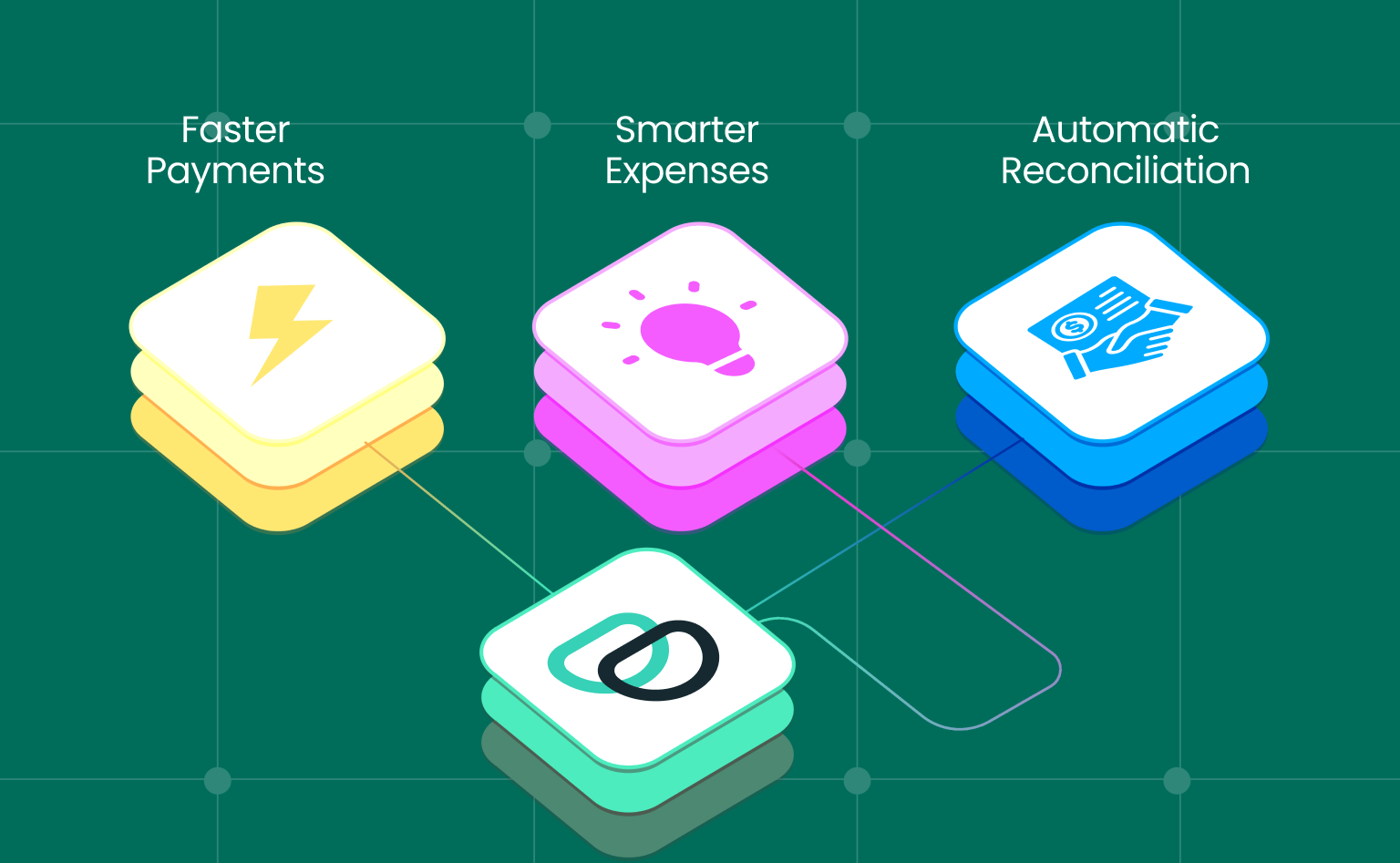
Duplo gives Nigerian businesses the infrastructure to collect payments faster, with less manual effort, and with automatic reconciliation from the moment a payment arrives.
Payment links and virtual accounts. Generate payment links directly from invoices. Assign dedicated virtual accounts to customers so every bank transfer arrives pre-matched to the correct invoice record automatically.
NRS-compliant e-invoicing with payment collection. Generate invoices that are both NRS-compliant and payment-enabled. Customers receive a compliant invoice with a direct payment link. Every invoice carries a valid IRN. Every payment is automatically reconciled against the invoice it settles.
Automated payment reminders. Configure reminder sequences by due date. Reminders go out automatically without manual tracking. Overdue invoices are flagged in real time so follow-up happens when it should, not when someone remembers.
Multi-currency collections. Receive payments in USD, EUR, and GBP directly into your multi-currency wallet. Hold the balance and convert when rates are favorable rather than converting automatically at the moment of receipt.
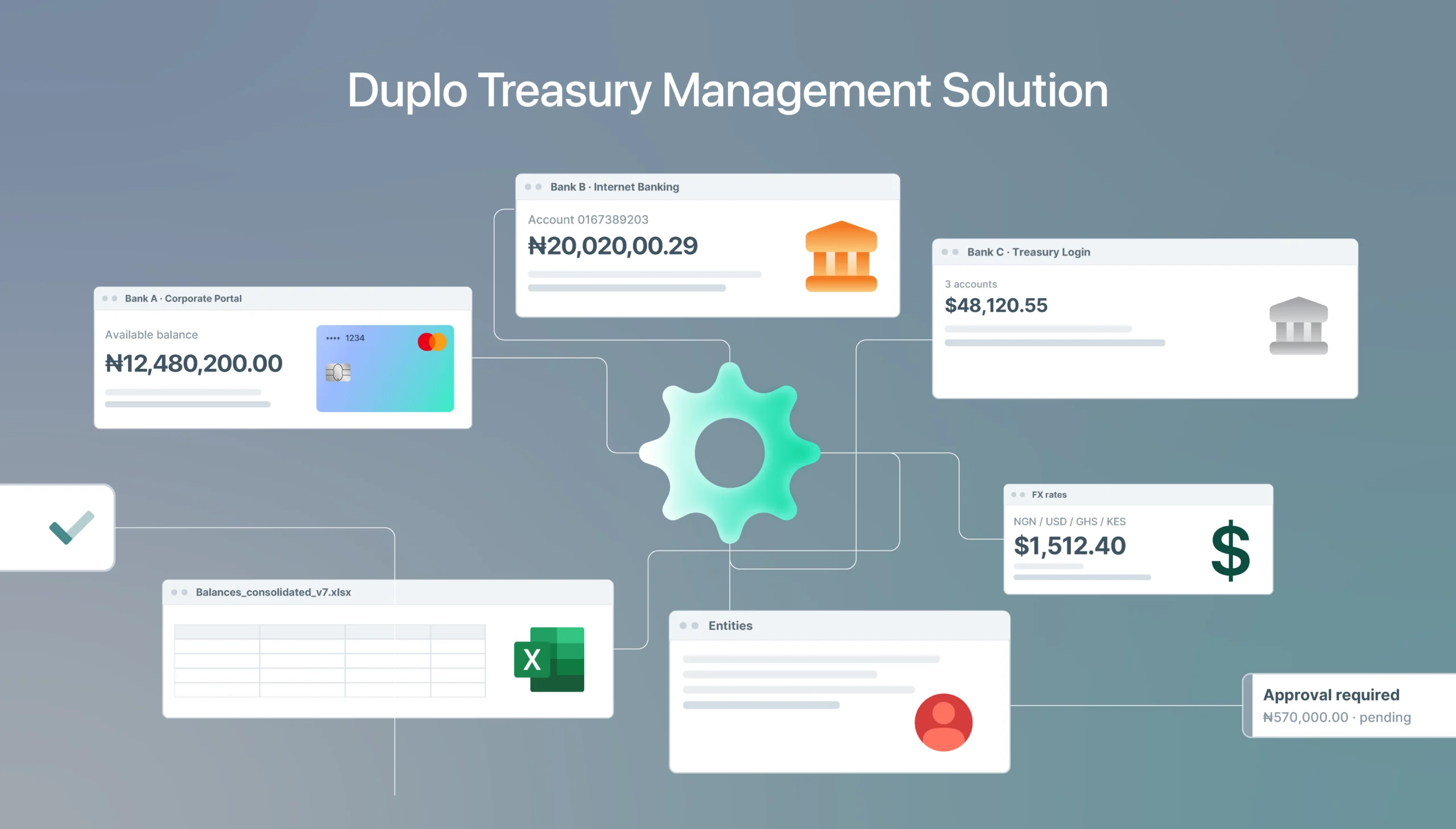
Auto reconciliation with QuickBooks, Sage, and Xero. Every payment is matched to its invoice and posted to your accounting system automatically. The manual matching exercise that currently consumes days each month is eliminated.
The Path Forward
The businesses that collect payments fastest in Nigeria are not the ones chasing customers most aggressively. They are the ones who have removed the friction that slows payments: invoices that are hard to act on, transfers that arrive without reference data, and reconciliation processes that consume finance team time that should be directed toward financial management.
The infrastructure to fix this is available today. Duplo provides Nigerian businesses with virtual accounts, payment links, NRS-compliant invoicing, automated reminders, multi-currency collections, and auto-reconciliation on a single, connected platform. Getting paid faster starts at tryduplo.com.
Frequently Asked Questions
Why do Nigerian businesses struggle to collect payments on time?
Two causes: customers who are slow to pay, and systems that make it hard to pay correctly even when customers want to. The second cause is entirely within a business’s control and is the faster fix. Invoices sent as PDFs with no payment link, shared bank accounts with no virtual account matching, and no automated reminders all add friction that delays payment even from customers who intend to pay on time.
What is a virtual account and how does it help with payment collection?
A virtual account is a unique account number assigned to a specific customer or invoice. When a customer makes a bank transfer to that account number, the payment is automatically matched to the correct invoice record without manual intervention. Virtual accounts now facilitate 75% of Nigerian business transactions because they solve the unmatched transfer problem that makes manual reconciliation necessary.
How much faster do businesses collect payments with automated systems?
Businesses using efficient B2B payment solutions typically see their Days Sales Outstanding decrease by 15 to 30%, meaning they collect payment significantly faster and maintain healthier cash positions as a result.
Can I collect payments in foreign currencies as a Nigerian business?
Yes. Duplo supports collection in USD, EUR, and GBP directly into multi-currency wallets. Customers pay in their currency. The funds arrive in the currency they came in. You convert when the rate is favorable rather than automatically at the moment of receipt.