
52% of Nigerian businesses suffered payment breakdowns in 2025. For most of them, the breakdown was not caused by a lack of funds. It was caused by a payment process that was too slow, too manual, and too fragmented to keep up with the volume and speed that vendor relationships require.
There is a cost to vendors late that never appears on a bank statement. It shows up in the phone call from a supplier who says stock will not be released until the outstanding balance is cleared, in the revised payment terms on your next contract where a supplier who used to extend 30-day credit now wants payment in advance. It shows up in the allocation decision a vendor makes when supply is constrained, when the buyers who pay reliably get confirmed stock and the ones who do not are told to wait.
This guide covers what a reliable vendor payment process looks like for Nigerian businesses, where the most common failures occur, and how to build a system that pays suppliers on time, every time, with the kind of transparency that builds commercial trust over the long term.
Why Vendor Payment Management Is a Commercial Priority, Not Just an Administrative One
Most Nigerian businesses treat vendor payment management as a back-office function. Someone in accounts payable processes invoices when they arrive, gets the necessary approvals, logs into the bank portal, and initiates the transfer. The payment goes out eventually. The vendor gets paid eventually. The process repeats.
The problem with this framing is that it treats payment reliability as a neutral baseline rather than a commercial variable. In reality, how reliably and how quickly your business pays its vendors is one of the most powerful and least leveraged competitive advantages available to Nigerian businesses.
Businesses that pay suppliers reliably and on time build stronger relationships, often securing better payment terms, priority service, and preferential pricing. The inverse is equally true: businesses that pay late, pay with missing reference data, or require suppliers to follow up repeatedly before payment clears are quietly accumulating a commercial disadvantage that compounds over every payment cycle.
In Nigeria’s relationship-driven business culture, this dynamic is particularly significant. Suppliers allocate differently based on which customers they trust. Freight agents prioritize differently based on which clients pay without friction. Distributors extend credit differently based on which buyers have demonstrated consistent payment behavior. The vendor payment process is not administrative infrastructure. It is relationship infrastructure.
Five Vendor Payment Problems Businesses Face
Understanding where the process breaks down is the first step to fixing it. The following failures are the most common across Nigerian businesses managing vendor payments manually.
Failure 1: Payments initiated without a matching purchase order.
When a vendor invoice arrives and payment is initiated without verifying it against an approved purchase order, the business loses the ability to catch overbilling, duplicate invoices, and unauthorized charges before money moves. The World Bank estimates that SMEs in emerging markets lose up to 25% efficiency due to outdated financial processes, and unverified vendor payments are a significant contributor to that figure.
Failure 2: Approval processes that live in WhatsApp and email.
An approval sent over WhatsApp is not a financial control. It is a message. There is no audit trail, no record of the budget position at the time of approval, and no escalation path if the approver does not respond. When informal approval channels are the primary mechanism for authorising vendor payments, the business has no reliable record of who approved what and when, and no system to enforce the authorization structure when it matters.
Failure 3: Payments processed across multiple bank portals without consolidated visibility.
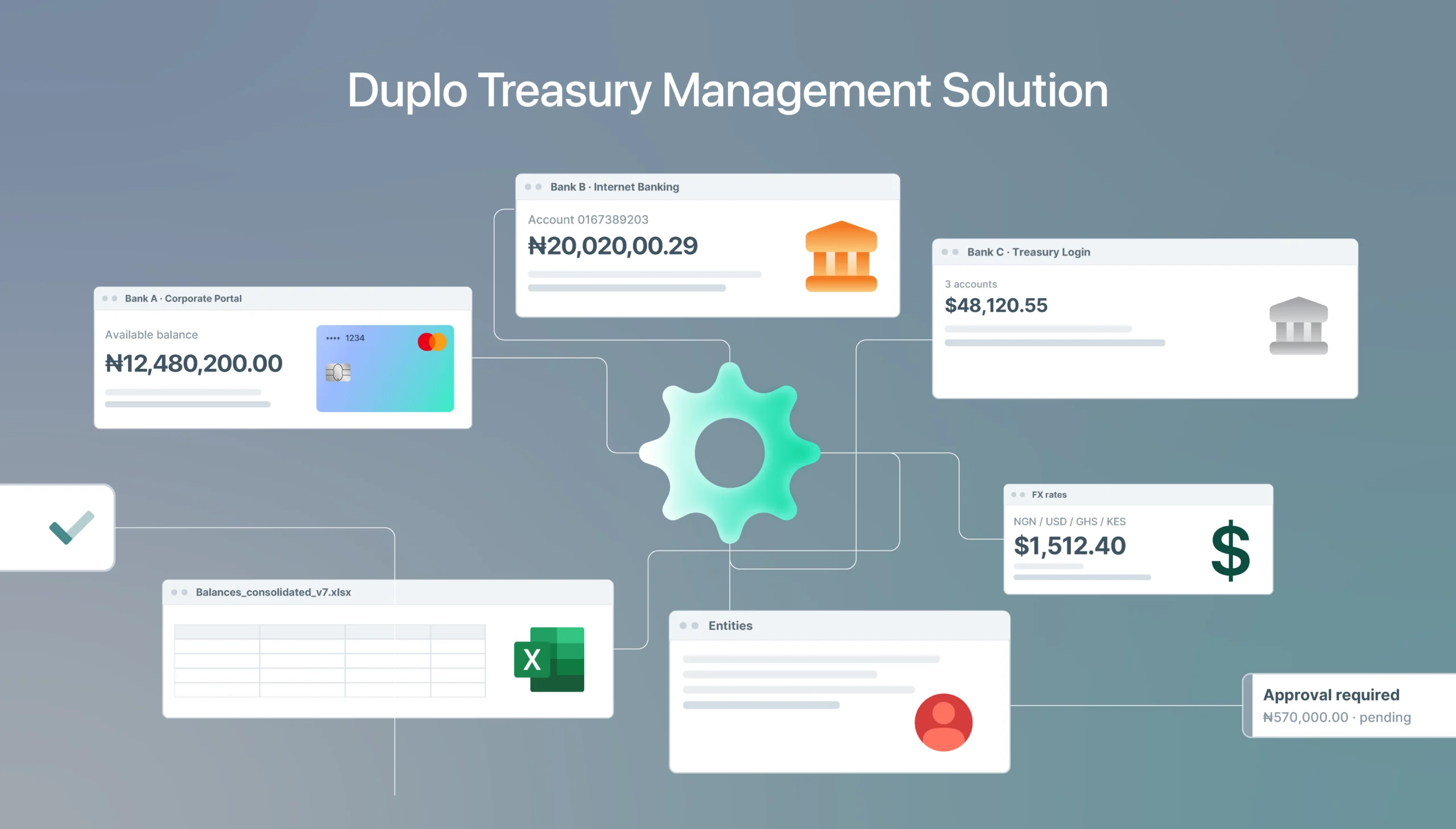
A business paying vendors through three different bank portals has no single view of what has gone out, what is pending, and what the true cash position is. Finance teams reconcile manually at month-end by pulling statements from each portal separately. Errors made in one portal are not visible in another. Duplicate payments happen when the same invoice is processed in two different portals by two different team members.
Failure 4: No real-time payment confirmation shared with vendors.
Give vendors visibility into payment status. When vendors cannot see whether a payment has been made, they follow up with calls and messages, taking up finance team time that could go elsewhere. More importantly, repeated follow-ups can make the business appear unreliable, even when it has already initiated the payment, simply because the vendor has no visibility into where their money is.
Failure 5: Reconciliation happens weeks after payment.
When vendor payments are not matched to corresponding invoices and purchase orders automatically at the point of payment, reconciliation becomes a month-end exercise that takes days. Finance teams reconstruct the payment record from bank statements, email threads, and spreadsheet entries, introducing errors and consuming time that compresses the close cycle.
What a Well-Structured Vendor Payment Process Looks Like
A vendor payment process that supports business growth rather than constraining it has five connected stages, each building on the last.
Stage 1: Invoice receipt and verification.
Every vendor invoice is received into a central system and matched automatically against the corresponding purchase order. Discrepancies between the invoice amount and the purchase order are flagged before the payment workflow begins. Duplicate invoices are detected before they reach an approver.
Stage 2: Approval routing.
The matched invoice routes automatically to the correct approver based on the amount, the vendor category, and the department. The approver sees the current budget position alongside the invoice before confirming. Approval happens on mobile or desktop with a full audit trail created at the moment of confirmation.
Stage 3: Payment execution.
Approved invoices trigger payment directly, without a manual re-entry step in a bank portal. The payment instruction carries the invoice reference, the vendor details, and the approval record through to execution. The vendor receives payment with accurate reference data that matches their invoice.
Stage 4: Real-time confirmation.
The moment payment is confirmed as delivered, both the payer and the vendor have access to confirmation. Finance does not wait for the vendor to call. The vendor does not wait for the payment to appear in their account before they can reconcile on their side.
Stage 5: Automatic reconciliation.
Every payment is matched to its corresponding invoice and purchase order record automatically and posted to the accounting system in real time. The payment record is complete, accurate, and available for audit without reconstruction.
How International Vendor Payments Fit Into the Picture
Many Nigerian businesses pay a mix of domestic and international vendors. Raw material suppliers in China. Equipment vendors in Germany. Software providers in the United States. These international payments carry an additional layer of complexity: correspondent banking chains, FX conversion costs, longer settlement timelines, and CBN documentation requirements that domestic payments do not.
A Nigerian business paying a Kenyan supplier $10,000 might pay $800 to $1,200 in fees alone, representing 8 to 12% of the transaction value. For businesses that make regular international vendor payments, this fee structure is a recurring cost that most have never precisely calculated.
The most effective approach to managing international vendor payments in Nigeria combines a multi-currency wallet that holds foreign currency balances for direct payment without repeated naira conversion, a bulk payment capability that processes multiple international vendor payments in a single run, and a payment platform that discloses the full FX cost before confirmation rather than embedding the margin invisibly in the exchange rate.
How Duplo Handles Vendor Payment Management for Nigerian Businesses
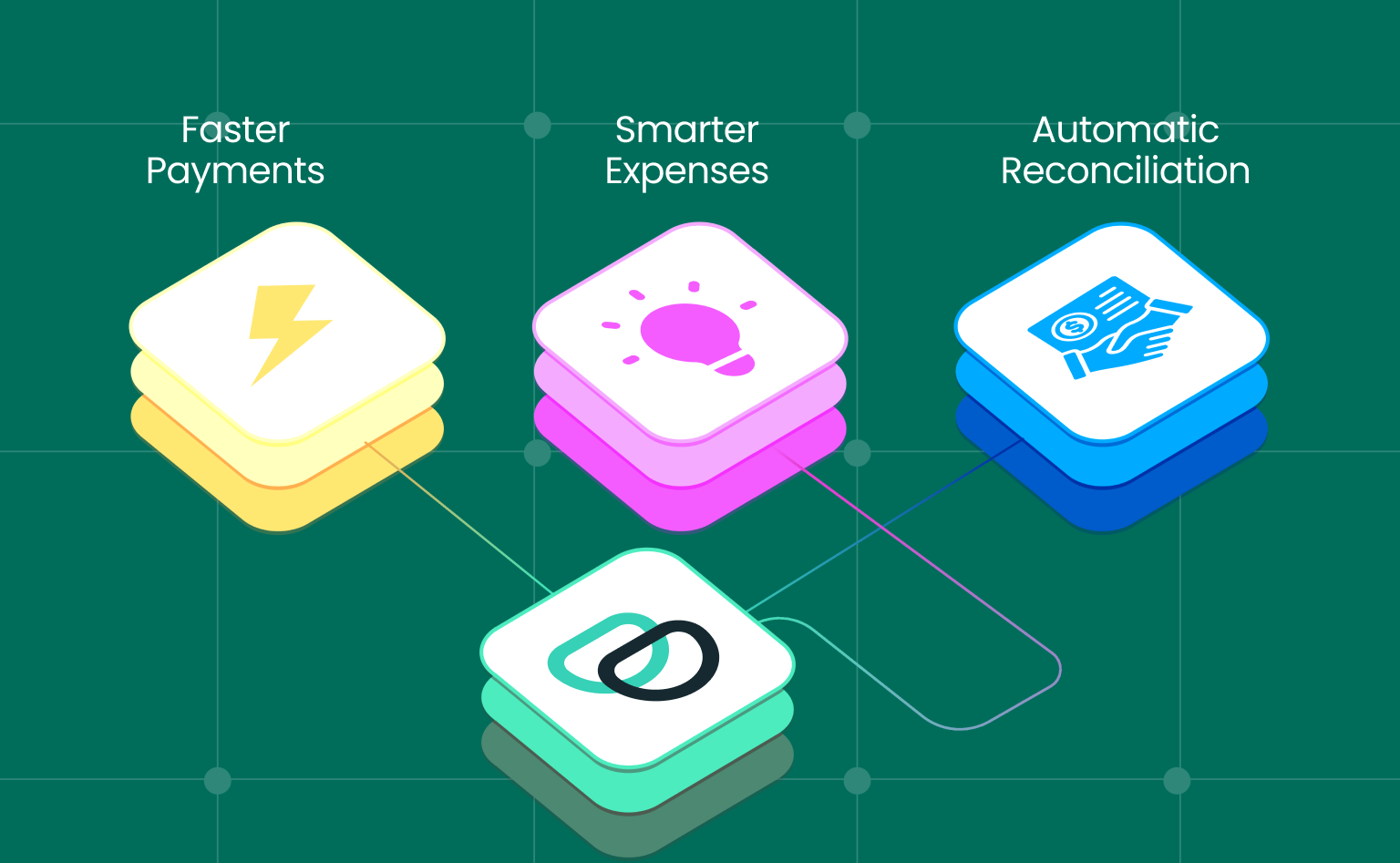
Duplo gives Nigerian businesses a vendor payment infrastructure that connects every stage of the process from invoice receipt to reconciliation in a single platform, without manual re-entry between stages.
Vendor management with verified records. Onboard vendors through a structured process that verifies bank details and confirms authorization. Restrict payments to verified vendors to prevent funds from going to incorrect or fraudulent accounts.
Three-way invoice matching. Automatically match every vendor invoice against the purchase request and delivery record before authorizing payment. Flag mismatches before funds move and detect duplicate invoices before they reach an approver.
Automated approval workflows. Every vendor payment routes through your configured approval chain automatically, with the current budget position visible alongside the invoice. Mobile approvals, escalation rules, and full audit trails built in from the start.
Pay local and international vendors from one platform. Domestic NGN payments and international transfers to 160+ countries in 80+ currencies processed from the same platform. Bulk payment runs handle multiple vendors simultaneously, local and international in the same batch.
Real-time payment tracking and delivery confirmation. Know exactly when every vendor payment arrives. Share confirmation before vendors follow up. Build the payment reliability record that earns better commercial terms over time.
Auto reconciliation with QuickBooks, Sage, and Xero. Every vendor payment is automatically matched to its invoice record and posted to your accounting system. Month-end close stays accurate without manual matching across multiple bank portals.
Frequently Asked Questions
What is vendor payment management?
Vendor payment management is the process of receiving, verifying, approving, executing, and reconciling payments to suppliers and vendors in a structured, controlled workflow. It covers everything from invoice receipt and purchase order matching through to payment confirmation and accounting reconciliation.
Why do Nigerian businesses struggle with vendor payment management?
The most common causes are manual approval processes that lack audit trails, payments initiated across multiple disconnected bank portals with no consolidated visibility, invoice processing without purchase order verification, and reconciliation that happens weeks after payment rather than automatically at the point of execution.
How does slow vendor payment affect supplier relationships in Nigeria?
Suppliers who receive late or unreliable payments adjust their commercial behavior accordingly: tightening payment terms, requiring advance payment, reducing credit limits, and deprioritizing orders during supply constraints. The commercial cost of payment unreliability compounds over time and shows up in the terms and service levels businesses receive from their vendors.
Can I pay both local and international vendors from the same platform?
Yes. Duplo supports domestic NGN vendor payments and international transfers to 160+ countries and 80+ currencies from a single platform. Bulk payment runs can include both local and international vendors in the same batch, processed and reconciled together.
How does automated vendor payment improve cash flow management?
Make the true payment position visible in real time. Record approved invoices as budget commitments when you authorize them, rather than waiting for payments to clear. This gives finance teams a real-time view of available cash instead of relying on a lagging position that only updates after bank reconciliation.