
Procurement is where the largest share of business spending originates. Before an employee files an expense claim or a finance team processes a payroll run, someone has made a decision to engage a vendor, sign a contract, or place an order. That decision, and the payment that follows it, is where spend management delivers its clearest return.
Procurement teams today manage 50% more spend per FTE than just five years ago. Organizations that invest aggressively in procurement technology and transformation exceed cost savings targets 96% of the time, compared to 80% for those that do not. They also achieve cost avoidance at 94% versus 75% and outperform on both internal stakeholder satisfaction and supplier performance.
47% of procurement leaders still say that disconnected systems are their biggest barrier to visibility and control. Even with better tools in place, the broader workflow remains fragmented. And that fragmentation shows up in ways most teams feel every day.
This guide covers how connected spend management improves procurement decisions, vendor payment reliability, and the supplier relationships that depend on both.
Why Procurement and Spend Management Are Inseparable
Procurement without spend management is a purchasing function without financial controls. Orders are placed, vendors are engaged, and contracts are signed without a connected system verifying budget availability, enforcing vendor policy, or documenting the approval trail that finance needs to reconcile and audit.
While spend analysis tells you what happened, spend management helps you decide what to do next. It is the operational framework that turns analytical insights into tangible policies, workflows, and actions that improve procurement outcomes.
The specific procurement failures that happen without connected spend management:
- Maverick purchasing: employees buy from unapproved vendors at higher prices because the approved vendor cannot fulfil the order quickly enough, or because the formal procurement process is too slow to use.
- Duplicate vendor records: the same supplier exists in the system under two slightly different names, resulting in split payment history, inconsistent pricing, and duplicate payments.
- Contract leakage: goods or services are delivered at a price above the contracted rate because no system is checking invoices against contract terms automatically.
- No committed spend visibility: procurement commitments are not reflected in the budget until invoices arrive, creating a gap between the budget position finance is working from and the actual financial position of the business.
How Spend Management Improves Procurement Decisions
The first place spend management improves procurement is before the purchase is made. A procurement decision made without visibility into current budget availability, historical vendor performance, and spend category trends is a decision made on incomplete information.
Advanced analytics pull back the curtain on what is happening in your procurement network. Comprehensive spend analytics shed light on historical spending habits and reveal potential instances of rogue spend. Your team can use these insights to support more informed, data-backed decision-making that can drive revenue.
The procurement decisions that improve most directly with connected spend management:
Vendor selection. Spend analytics reveal which vendors are delivering on contract terms and which are not, which categories are showing price creep, and where spend is consolidating or fragmenting. This data supports better vendor negotiations and more informed contract renewal decisions.
Category management. A business that can see how much it spends with each vendor across all departments, rather than only within each department separately, identifies consolidation opportunities that reduce vendor count, increase buying leverage, and simplify payment management.
Budget-informed buying. A purchase request submitted through a connected spend management system shows the current budget position at the point of submission. Procurement managers make decisions knowing whether a budget is available rather than assuming it is.
67% of firms increased their financial commitment to visibility tools over the last 12 months, yet a lack of seamless data integration with external partners remains a primary barrier to procurement success.
How Spend Management Improves Vendor Payment Reliability
Vendor payment reliability is the procurement outcome that most directly affects supplier relationships. A vendor that consistently receives payment on time, with accurate reference data and real-time confirmation, treats that buyer differently from one that pays late, pays incorrectly, or requires repeated follow-up to confirm receipt.
The vendor payment failures that spend management eliminates:
| Payment Problem | Root Cause | Spend Management Fix |
| Late payments | Invoice sits in email awaiting manual approval | Automated approval routing with mobile access and escalation |
| Duplicate payments | Same invoice processed in two disconnected systems | Automated duplicate detection before payment release |
| Wrong amount paid | Invoice not checked against contract or purchase order | Three-way matching before payment authorization |
| Missing reference data | Payment initiated manually without purchase order reference | Payment triggered from approved purchase record with reference carried through |
| Payment to wrong account | Vendor bank details changed without verification | Vendor master data controls with change authorization workflow |
Smart contracts and automated payment workflows automatically execute terms when predefined conditions are met, reducing payment cycle delays, eliminating disputes over delivery milestones, and improving vendor trust. This streamlines procurement operations and reduces the burden on legal and finance teams managing repetitive contract workflows.
The Vendor Relationship Dividend of Reliable Payments
Payment reliability is a commercial asset in procurement relationships that most businesses underestimate. 61% of CPOs prioritize stronger supplier collaboration as a top strategy, and the success of these collaborative relationships hinges on having a well-managed, qualified supplier base.
The practical ways payment reliability improves procurement outcomes over time:
- Better pricing on renewals. Vendors who receive consistent, on-time payments are more willing to offer favorable terms at contract renewal because the relationship is lower-risk from their perspective.
- Priority during supply constraints. A vendor managing constrained inventory allocates to buyers with reliable payment records before those with payment friction.
- Faster dispute resolution. A vendor who trusts the buyer’s payment process is more responsive when something goes wrong with a delivery or invoice.
- Willingness to extend credit terms. Payment reliability over time is the primary basis on which vendors extend open account terms rather than requiring advance payment.
A Framework for Connected Procurement and Vendor Payment Management
The following framework shows how spend management connects procurement and vendor payments end to end:
Step 1: Vendor onboarding and approval. New vendors are onboarded through a structured process: business verification, bank detail confirmation, contract upload, and approval by the relevant authorizing manager. No payments can be initiated to a vendor that has not completed this process.
Step 2: Purchase request and budget check. Every procurement decision starts with a purchase request submitted through the spend management platform. The request is checked automatically against the available budget on the relevant cost centre before routing to the approver.
Step 3: Approval and commitment recording. The approval routes to the correct level based on amount, category, and department. On approval, the commitment is recorded against the budget immediately, giving finance an accurate view of remaining available funds.
Step 4: Invoice matching and payment authorization. When the vendor invoice arrives, it is matched automatically against the purchase request and delivery confirmation. A matched invoice is authorized for payment. A mismatched invoice is flagged for investigation before payment is released.
Step 5: Payment execution. Authorized invoices trigger payment directly: local NGN payments for domestic vendors, international transfers in USD, EUR, or GBP for overseas suppliers, or bulk payment runs for multiple vendors in a single execution.
Step 6: Reconciliation and vendor record update. Every payment is automatically reconciled against the purchase record and posted to the accounting system. The vendor payment history is updated, giving finance and procurement a complete record of every transaction with every vendor.
How Duplo Connects Procurement and Vendor Payments
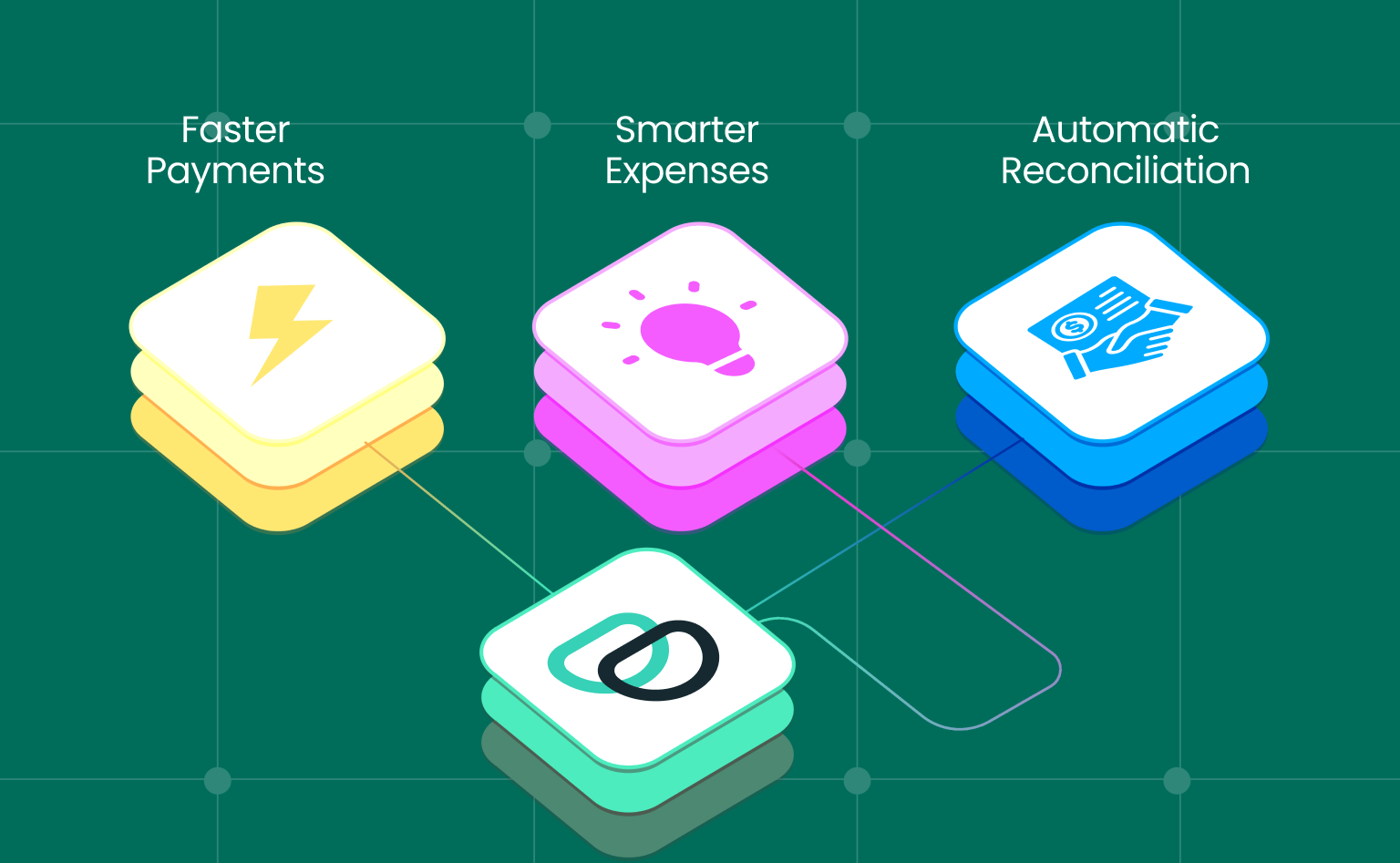
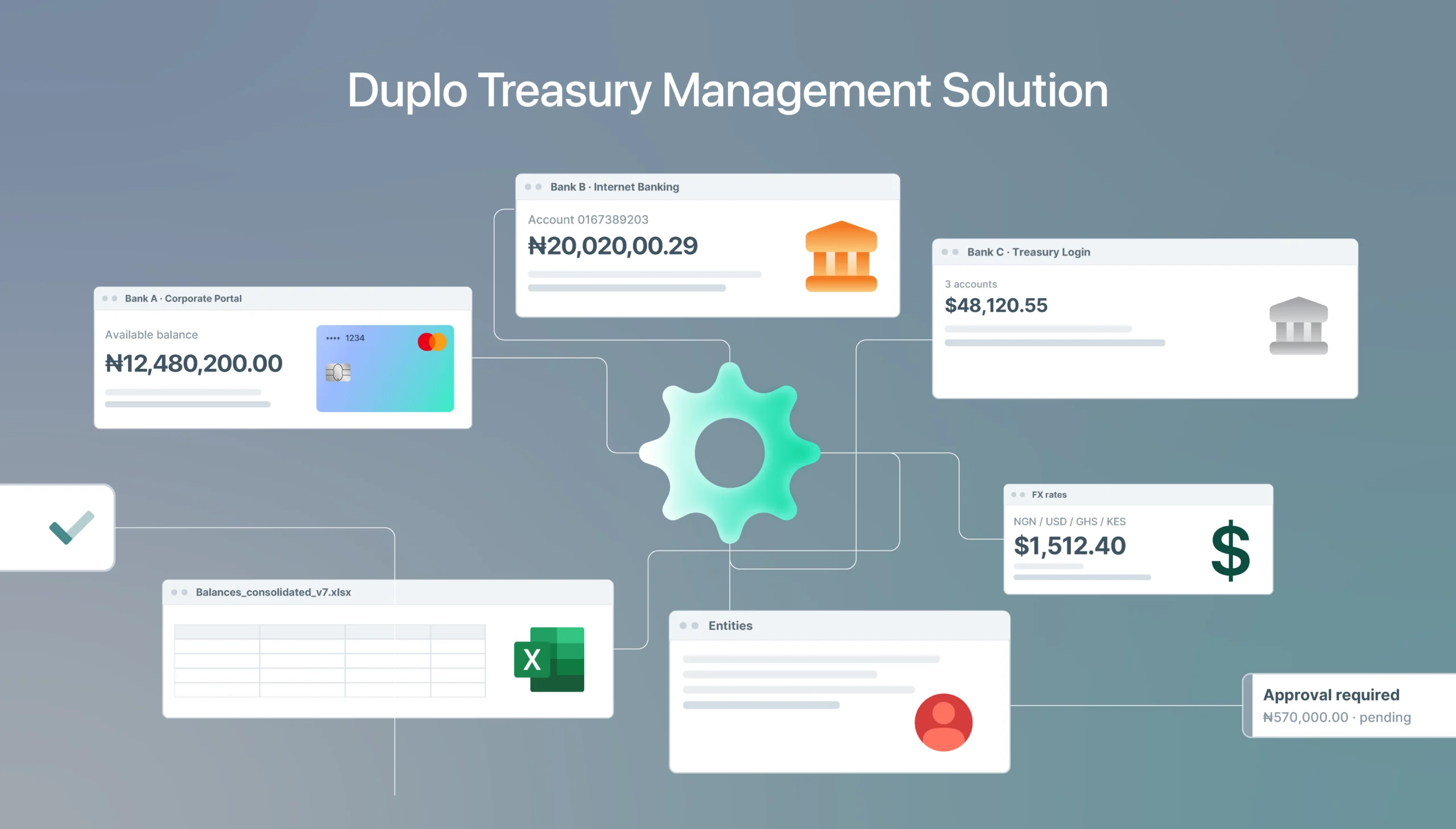
Duplo is built for African businesses that need procurement spend management and vendor payment management in a single connected system, without the fragmentation that creates leakage and blind spots.
Vendor management. Onboard and manage approved vendors with structured verification, bank detail controls, and performance history in one place. Payment can only be initiated to approved vendors with verified details.
Purchase approval workflows. Every procurement decision routes through a configured approval chain with budget visibility at every stage. Approved requests become committed spend immediately.
Three-way invoice matching. Vendor invoices matched automatically against purchase requests and delivery records. Mismatches flagged before payment. Duplicate payments detected before funds move.
Vendor payment execution. Pay domestic vendors in NGN and international suppliers in USD, EUR, and GBP directly from the platform. Bulk payment runs for multiple vendors in a single execution. Real-time delivery confirmation shared with vendors.
Auto reconciliation. Every payment is matched to its purchase record and posted to your accounting system automatically. QuickBooks, Sage, and Xero integrations keep your books current without manual exports.
Spend analytics. See vendor spend concentration, category trends, and payment performance across the full procurement cycle in real time. The data that supports better vendor negotiations and category management decisions.
The Path Forward
The procurement and vendor payment improvements available from connected spend management are not incremental. Organizations that invest in procurement technology and transformation exceed cost savings targets 96% of the time. The gap between those that invest and those that do not shows up in every procurement metric: cost savings, cost avoidance, supplier performance, and stakeholder satisfaction.
For African businesses managing procurement across multiple vendors, currencies, and locations, the case for connecting procurement and vendor payments in a single spend management system has never been stronger. The leakage that disconnected systems allow, the vendor relationship damage that payment unreliability causes, and the budget overruns that committed spend invisibility creates are all preventable with the right infrastructure.
?Duplo is built to provide that infrastructure for African businesses. Start here by booking a demo with a member of our team.
Frequently Asked Questions
What is the difference between procurement and spend management? Procurement focuses on the purchasing process: selecting vendors, placing orders, and managing supplier relationships. Spend management is broader: it covers the full lifecycle from budget allocation and purchase approval through payment execution and reconciliation. Connected spend management brings procurement within that broader framework, so every purchasing decision is made with budget visibility and policy enforcement built in.
How does spend management reduce procurement costs? Through several mechanisms: vendor consolidation driven by spend analytics that reveal fragmented purchasing across departments; better negotiating leverage from consolidated spend data; elimination of maverick purchasing at premium rates; and contract leakage prevention through automated invoice matching against contracted terms.
How does spend management improve vendor payment reliability? By connecting approval and payment in a single workflow. Approved invoices trigger payment automatically, eliminating the manual steps where delays accumulate. Automated duplicate detection prevents double payments. Three-way invoice matching prevents overpayments. Real-time delivery confirmation gives vendors immediate proof of payment without requiring follow-up.
Can Duplo handle both domestic and international vendor payments? Yes. Duplo supports domestic NGN payments and international payments in USD, EUR, and GBP from the same platform. Bulk payment runs handle multiple vendors simultaneously. All payments are tracked in real time with delivery confirmation, and automatically reconciled against purchase records and your accounting system. reminded of them. record was created automatically at every step.