
Cash flow is the lifeblood of any business, and late payments are one of its most persistent threats. For Nigerian businesses, the problem is acute. Nearly 90% of businesses report that customers pay 30% of their invoices late, and companies that extend payment terms beyond 30 days lose an average of 4.6% of annual revenue to payment uncertainty.
The downstream effects compound quickly. A manufacturer waiting on payment from a distributor cannot restock raw materials on time. A professional services firm waiting on a client invoice cannot make payroll without dipping into reserves. A logistics company waiting on freight payment cannot service the next shipment. The working capital gap created by late payments does not stay in the finance function. It spreads into operations, supplier relationships, and growth decisions.
The businesses that manage late payments most effectively have not found a way to make customers pay faster through willpower. They have built systems that make it structurally easier to pay on time and structurally harder to pay late.
Why Late Payments Happen in Nigerian Businesses
Before building a solution, it helps to understand which type of late payment you are dealing with. Not all late payments have the same cause, and not all have the same fix.
Type 1: Administrative late payments.
The customer intends to pay, but internal processes delay the payment. For example, the accounts team may send the invoice to the wrong approver, or the payment team may miss it because the invoice arrived after the scheduled payment run. Similarly, if the customer leaves the reference field blank, the payment may fail to reconcile. In these cases, process failures on either side of the transaction create delays, even when the customer has every intention of paying.
Type 2: Cash flow late payments.
The customer wants to pay but genuinely does not have the cash available at the agreed time. This is more common in Nigerian businesses than most creditors acknowledge, particularly in sectors with long cash conversion cycles or seasonal revenue patterns.
Type 3: Strategic late payments.
The customer has the cash but is using extended payment terms as a form of working capital management, paying later than agreed because the cost of doing so is lower than the cost of borrowing. This is deliberate and requires a different response from the other two types.
Understanding which type you are dealing with determines which intervention is appropriate and which is a waste of effort.
Six Practical Ways to Reduce Late Payments in Your Nigerian Business
1. Send invoices immediately, not at the end of the period.
The payment clock starts when the invoice is received. Businesses that invoice weekly or monthly are losing days or weeks of lead time on every transaction. Invoicing immediately on delivery or completion of work shortens the gap between work done and payment received without changing the payment terms.
2. Set clear payment terms with specific due dates.
An invoice that says “net 30” leaves the due date open to interpretation. An invoice that says “payment due 15 August 2026” does not. Specific due dates create clear expectations and make overdue status unambiguous for both parties. Add a late payment clause that specifies any interest or fees that apply after the due date.
3. Offer early payment incentives.
A 1 to 2% discount for payment within 10 days costs less than the cash flow benefit of faster collection. For customers dealing with cash flow late payments, an incentive to pay early can shift their behavior meaningfully. For customers making strategic late payment decisions, the discount changes the cost-benefit calculation.
4. Automate payment reminders at every stage.
Businesses that chase late payments manually spend an average of 9.85 hours per week on the exercise. Automated reminders sent before the due date, on the due date if unpaid, and at regular intervals after reduce this to near zero while maintaining consistent follow-up that a manual process cannot reliably deliver.
5. Make it easier to pay correctly.
A significant share of late payments in Nigeria comes from a cumbersome payment process. Customers often have to initiate a transfer manually, enter account details, add a reference number, and wait for the finance team to match the payment on the receiving end. By using a payment link, you can remove these friction points. The customer clicks, pays, and the system handles the rest.
6. Use virtual accounts to eliminate matching delays.
When customers send payments without reference numbers, which happens frequently with Nigerian bank transfers, finance teams have to investigate each transaction to determine which invoice it settles. As a result, the team may delay payment confirmation and customer notifications, creating the impression of unreliable payment processing even when the customer paid on time. Virtual accounts solve this problem by giving each customer a unique account, allowing the system to identify and match every transfer automatically.
How Late Payments Affect Cash Flow Beyond the Obvious
The direct impact of late payments on cash flow is clear: money that was expected has not arrived. But the indirect effects are often larger and less visible.
Working capital compression. When receivables extend beyond their expected collection period, the business has to fund its operations from reserves or credit rather than incoming revenue. In Nigeria, where the Monetary Policy Rate sits at 26.67%, the cost of bridging a working capital gap through borrowing is high.
Supplier relationship strain. A business waiting on a customer payment and unable to pay its own suppliers creates a chain of late payments that damages commercial relationships at multiple levels simultaneously.
Growth constraint. Capital that should be available for investment in new capacity, new markets, or new hires is tied up in outstanding receivables. Late payments do not just affect current operations. They constrain the decisions that determine future scale.
Poor financial forecasting. When the timing of incoming payments is unpredictable, cash flow forecasts are unreliable. Finance leaders making decisions on unreliable forecasts consistently under or overestimate available capital.
How Duplo Reduces Late Payments for Nigerian Businesses
Duplo gives Nigerian businesses the payment infrastructure to reduce late payments systematically rather than managing them reactively.
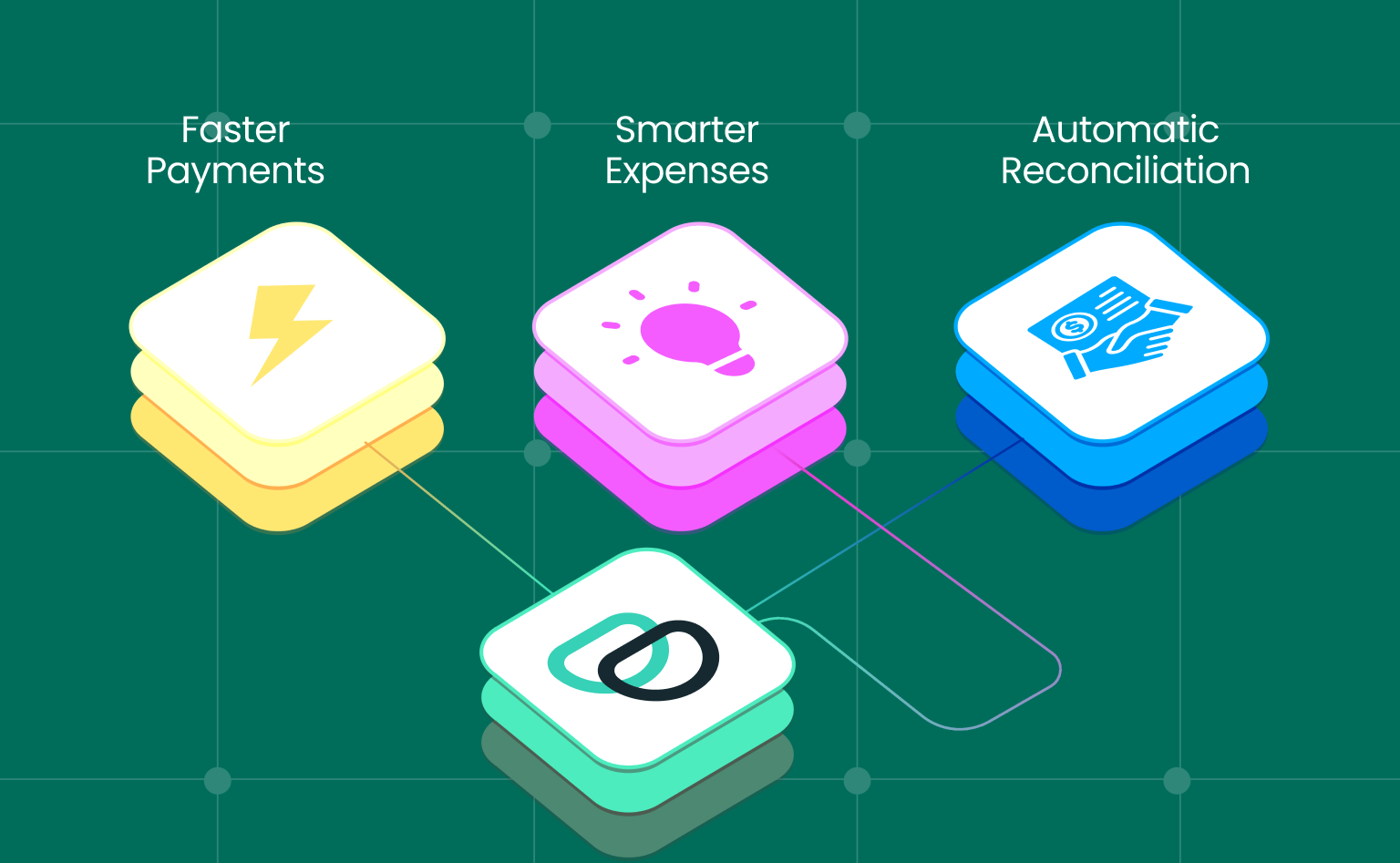
Digital invoices with payment links. Send invoices the moment work is complete. Embedded payment links reduce friction to a single click. Customers pay faster because paying is easier.
Virtual accounts per customer. Every transfer is automatically matched to the correct invoice, so your team spends less time matching payments and confirming receipts. Missed payments no longer sit unreconciled in the bank statement.
Automated reminder sequences. Configure reminder schedules once. Reminders go out before the due date, on the due date, and after without manual tracking. Consistent follow-up without consuming finance team time.
Real-time collection dashboard. See every invoice status live: sent, viewed, overdue, paid. Prioritize follow-up on the highest-value overdue invoices before they become problem accounts.
Multi-currency collections. Receive payments from international customers in USD, EUR, or GBP with no extra friction. Hold balances and convert when rates are favorable.
Auto reconciliation with QuickBooks, Sage, and Xero. Every payment is confirmed and posted to your accounting system in real time. Cash flow visibility is current, not retrospective.
The Path Forward
Reducing late payments is not primarily a negotiation challenge or a customer relationship challenge. It is an infrastructure challenge. The businesses that get paid on time consistently have built systems that make on-time payment the path of least resistance: easy to pay, automatically reminded, instantly matched, and immediately confirmed. That infrastructure is available for Nigerian businesses today. Duplo is built to deliver it.
👉 Duplo is built for Nigerian businesses that are ready to make the shift. Speak with a member of our team today. Click here!
Frequently Asked Questions
What is the most effective way to reduce late payments for a Nigerian business?
The combination that delivers the most consistent results is: invoicing immediately on completion rather than at period end, using payment links that reduce friction to a single click, assigning virtual accounts so payments are automatically matched, and automating reminder sequences so follow-up happens consistently without manual tracking.
How do late payments affect cash flow in Nigerian businesses?
Late payments compress working capital, forcing businesses to fund operations from reserves or expensive credit. They strain supplier relationships when the business cannot pay its own vendors on time. They constrain growth investment and make cash flow forecasting unreliable. The effect extends well beyond the immediate shortfall in receivables.
Should I charge interest on late payments from Nigerian customers?
Including a late payment clause in your invoice terms is a reasonable practice that changes the cost-benefit calculation for customers making strategic late payment decisions. Whether to enforce it depends on the customer relationship and the value of the account. The clause itself, clearly stated on the invoice, is often sufficient to shift payment behavior without enforcement.
How quickly can automated payment reminders reduce overdue invoices?
Businesses that implement automated reminder sequences typically see meaningful improvement in the proportion of invoices paid on or near the due date within the first billing cycle. The improvement compounds over time as customers adapt to the expectation of consistent follow-up.