
Sunday service ends. The offering baskets are counted. The totals are recorded by hand, entered into a spreadsheet, and compared against last week’s figures. On Monday morning, the church administrator begins the week’s financial work: reconciling weekend collections, processing vendor invoices, approving welfare fund disbursements, and chasing the branch in Ikeja for its weekend collection report. For many growing churches, church payment management still depends on disconnected bank portals, spreadsheets, manual approvals, and time-consuming reconciliation.
By Wednesday, she is still reconciling. By Friday, the cycle starts again.
This reflects the financial operations reality for many Nigerian churches. The challenge affects mid-sized congregations with three branches and larger churches with thousands of members. It also affects churches with multiple campuses, schools, and media ministries.
Manual collection management, expense tracking, vendor payments, and branch reporting consume more than time. They also drain the attention of administrators, treasurers, and finance committees. Instead of focusing on the church’s mission, teams spend hours managing processes that better infrastructure could automate.
Nigeria has one of the highest church attendance rates in the world. Therefore, the financial operations behind these congregations need infrastructure that matches the scale and ambition of the churches themselves.
The Financial Operations Challenge Specific to Nigerian Churches
Nigerian churches face a financial management challenge that is structurally different from most other organisations. The income is high-frequency and multi-channel: tithes and offerings collected every Sunday, midweek services, and special programmes, through cash, bank transfer, and increasingly through online giving platforms. The expenditure is broad and distributed: vendor payments for maintenance and construction, staff salaries, welfare fund disbursements, mission and outreach expenses, media and broadcasting costs, and branch-level operational spending.
Managing both sides of this equation manually creates a specific set of recurring problems that most church administrators and treasurers in Nigeria know intimately.
Collections arrive through too many channels to reconcile efficiently.
A church collecting tithes and offerings through cash in the basket, bank transfers to the church account, USSD payments, and an online giving platform is managing four separate income streams with four separate records. Reconciling all of them against each other, and against the expected giving from registered members, is a manual exercise that takes days. And because the transfers often arrive without reference data, the finance team has to investigate which member or donor each bank credit belongs to, every single time.
Branch collections create a consolidated reporting problem.
A church with five branches across Lagos, Ibadan, and Abuja is managing financial data from five locations simultaneously. Each branch collects independently, records independently, and submits reports to the central office at different times and in different formats. By the time the church administrator has assembled a consolidated picture of the weekend’s collections across all branches, the information is already several days old, and the decisions that needed to be made on Monday are being made on Thursday.
Expense approvals happen informally with no audit trail.
Vendor payments, welfare fund disbursements, and operational expenses at most Nigerian churches are approved through a combination of verbal authorization, WhatsApp messages, and email chains. There is no structured workflow that routes requests to the correct approver, no budget visibility at the point of approval, and no audit trail that can be produced when the finance committee or external auditor asks for documentation.
Financial accountability to the congregation requires clean records.
Nigerian church congregations are increasingly expecting transparency about how tithes and offerings are being managed. A church that cannot produce clear, accurate financial reports for its deacons, elders, or congregation has a governance problem that erodes trust over time. Building that level of transparency on a foundation of manual records and spreadsheet reconciliation is difficult, time-consuming, and unreliable.
Who Makes Financial Decisions in a Nigerian Church
Understanding who this solution serves matters before evaluating it.
In most Nigerian churches, three key roles share financial responsibilities:
The Senior Pastor sets the financial direction and gives final approval for major expenses. They need confidence that the church manages its resources with integrity. They also need a finance team that spends less time on administration and more time supporting the church’s ministry.
The Church Administrator or General Secretary manages daily financial operations. Every Monday, they reconcile weekend collections, follow up on branch reports, process vendor invoices, and manage expense approvals. Better infrastructure can reduce much of this manual workload and give them more time for higher-value responsibilities.
The Church Treasurer or Finance Committee Chair oversees financial accountability and reporting. They need accurate, accessible records that they can present to church leadership and the congregation with confidence. They also need a clear audit trail that supports internal governance and external reviews.
Duplo’s platform supports all three roles. However, the Church Administrator will likely notice the operational difference first and most directly.
How Duplo Addresses the Financial Operations Challenges of Nigerian Churches
Tithe and Offering Collection With Virtual Accounts
Duplo’s virtual account capability assigns a unique account number to each member, branch, or giving category. When a church member transfers funds to their assigned virtual account, Duplo automatically matches the payment to their giving record. As a result, the finance team no longer needs to investigate unmatched transfers manually. This can significantly reduce the time teams spend reconciling high-volume bank collections.
In addition, payment links give members and first-time visitors a simple digital giving experience. A church can share a payment link through WhatsApp, its website, or SMS. Members can then give directly without searching for bank details or entering a reference number.
Branch Collection Consolidation
Similarly, Duplo’s multi-location capability gives the central church office a real-time view of collections across branches. Each branch submits collections through the same platform. Consequently, the data follows the same format and categories without requiring manual consolidation.
As a result, the church administrator can see the full weekend collection picture on Sunday evening rather than waiting until Thursday morning.
Expense Management and Approval Workflows
Beyond collections, every expense request can move through a structured approval workflow. Whether the request comes from the building maintenance team, media ministry, or welfare committee, the workflow follows the church’s actual authorisation structure.
The system routes each request to the correct approver automatically. At the same time, the approver can see the current budget position alongside the request. Once approved, the system records the transaction with a timestamp and the approver’s identity. Therefore, the church gets a complete audit trail as part of its normal approval process, without relying on WhatsApp messages or verbal authorisations.
Vendor and Contractor Payments
Once an invoice receives approval, the church can pay construction contractors, maintenance vendors, media equipment suppliers, and other service providers from the same platform. This also connects vendor payments with the church’s wider financial workflow.
Furthermore, the church can access real-time payment confirmation once funds arrive. This reduces the need for finance teams to respond to repeated payment-status requests from vendors and contractors.
Bulk Payments for Welfare and Outreach Disbursements
Churches that run welfare programmes, scholarship funds, or outreach initiatives can also process payments to multiple beneficiaries in a single bulk payment run. Instead of initiating each payment individually, the church can pay up to 500 recipients simultaneously. Each payment is then matched to the correct beneficiary record.
NRS-Compliant E-Invoicing
For churches that operate as registered entities with tax obligations, Duplo can generate NRS-compliant invoices directly from the platform. Each invoice carries a valid Invoice Reference Number automatically. This lets churches meet NRS e-invoicing requirements without adding a separate tool or workflow.
Financial Reporting for Leadership and Congregation
Finally, Duplo automatically reconciles collections, expenses, and payments and posts them to the church’s accounting records in real time. As a result, finance committees can access reports without spending days preparing them manually.
The church treasurer can therefore present accurate and current financial information to church leadership and the congregation. Instead of preparing reports from scratch before every meeting, the finance team can access the information when they need it.
What a Large Nigerian Church Looks Like on Duplo
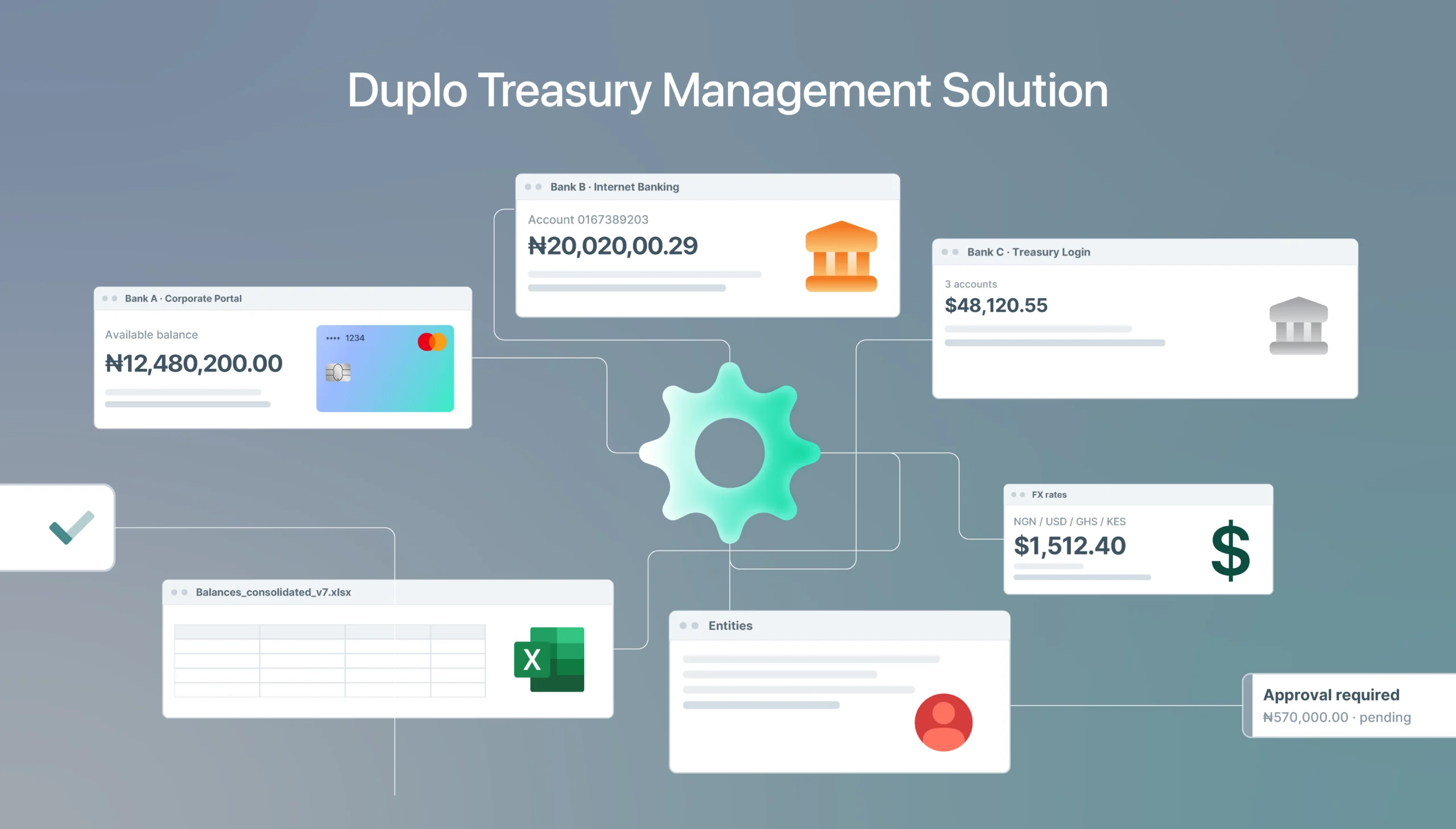
A large Pentecostal church in Lagos with multiple branches, a school, and a media ministry was managing its financial operations across three bank portals, two spreadsheets, and a WhatsApp group used for expense approvals. Weekend collection reconciliation took the finance team from Sunday evening through Wednesday. Branch collection reports arrived in different formats from each location. Vendor invoices waited for approval through an email chain that sometimes took a week to complete.
After implementing Duplo, the church administrator had a real-time view of collections across all branches from a single dashboard. Virtual accounts eliminated the unmatched transfer problem. Expense approvals were structured and documented automatically. Vendor payments were processed within 24 hours of invoice receipt rather than waiting for the weekly approval cycle. And financial reports for the finance committee were available on demand rather than requiring a multi-day preparation exercise.
The finance team spent less time on administration. The treasurer had cleaner records. The senior pastor had greater confidence that the church’s resources were being managed with the level of accountability that the congregation deserved.
The Path Forward
Nigerian churches are among the most financially active organisations in the country. The tithes, offerings, and donations that flow through Nigeria’s church ecosystem represent a significant and consistent financial operation that deserves the same quality of financial infrastructure that any serious business would demand.
The administrators, treasurers, and pastors managing that infrastructure should not be spending their best hours reconciling bank transfers, chasing branch reports, and reconstructing approval records from WhatsApp message threads. They should be spending that time on the mission of the church.
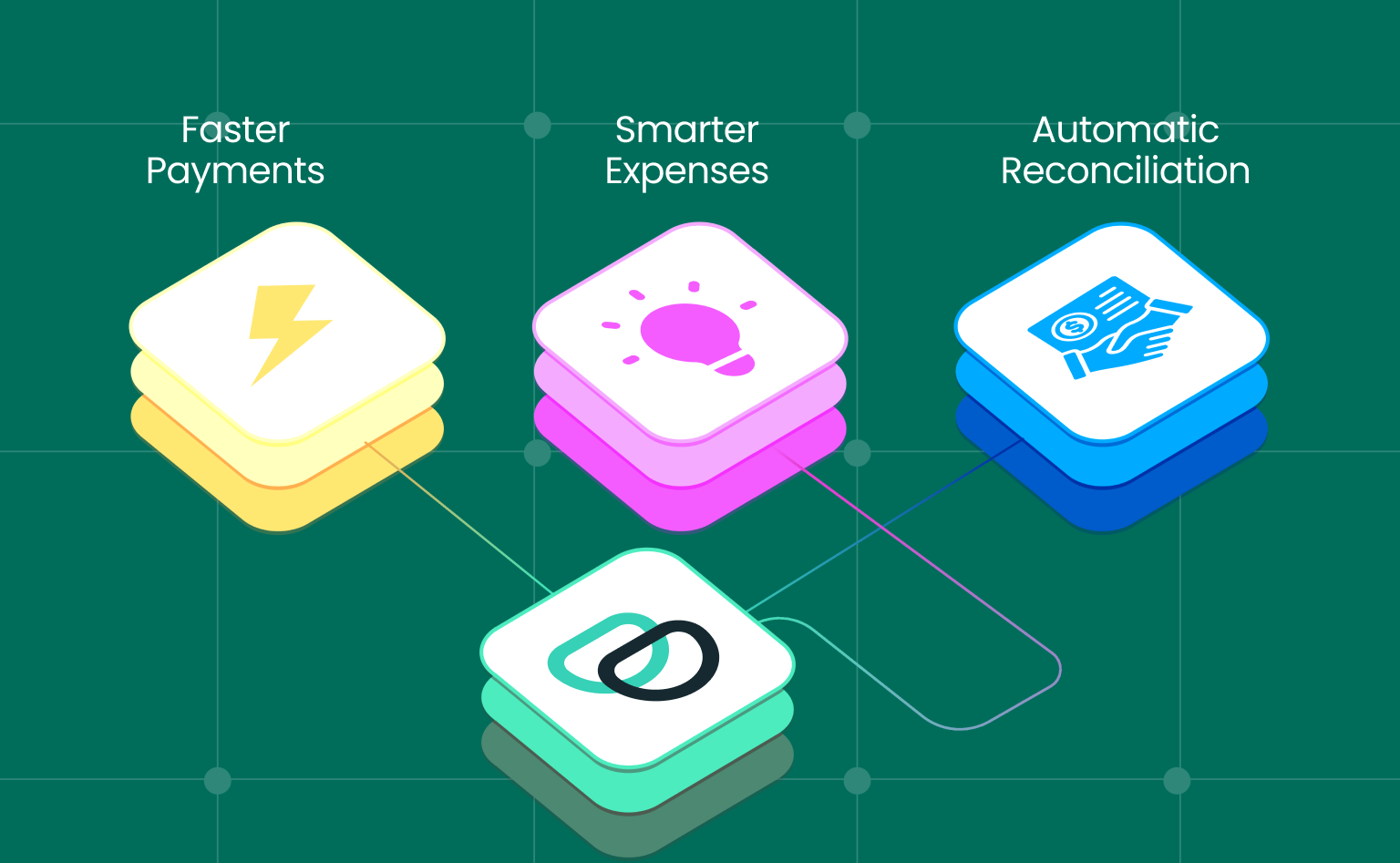
Duplo is built to give Nigerian churches the financial operations infrastructure that frees their teams to do exactly that. One platform for collections, payments, expense management, approval workflows, and real-time reporting. Start here!
Frequently Asked Questions
How do Nigerian churches collect tithes and offerings digitally?
The most effective approach is a combination of virtual accounts and payment links. Virtual accounts assign a unique account number to each member, so bank transfers are automatically matched to the correct giving record without manual investigation. Payment links give members a one-click digital giving experience shareable via WhatsApp, SMS, or the church website. Duplo provides both capabilities within a single platform that also handles expense management, vendor payments, and financial reporting.
How do Nigerian churches manage collections across multiple branches?
With Duplo’s multi-location capability, each branch submits collections through the same platform, and the data arrives at the central church office in real time in a consistent format. The church administrator sees the consolidated collection picture across all branches simultaneously without waiting for manual reports from each location.
What is the best way for Nigerian churches to manage vendor and contractor payments?
Route vendor invoices through a structured approval workflow that requires authorization before payment is initiated. Duplo’s approval workflow capability ensures every vendor payment is approved by the correct authorizer, documented with a complete audit trail, and executed with real-time delivery confirmation. The church never has to wait for a contractor to follow up to confirm whether their payment arrived.
How do Nigerian churches build financial accountability to their congregations?
Financial accountability requires clean, accurate, and accessible records. Duplo’s auto-reconciliation capability matches every collection and payment to its corresponding record in real time and posts to the church’s accounting records automatically. Finance committee reports that currently require days of manual preparation are available on demand, giving the treasurer the ability to present accurate financial information to church leadership and the congregation at any time.
Does Duplo support NRS e-invoicing compliance for Nigerian churches?
Yes. Nigerian churches that are registered entities with NRS e-invoicing obligations can generate compliant invoices directly from Duplo’s platform. Duplo holds both NRS Systems Integrator and Access Point Provider licences. Every invoice carries a valid Invoice Reference Number automatically, satisfying the mandate without a separate tool or additional administrative workflow.