Nigeria’s e-commerce market is on track to reach USD 33 billion in transaction value by 2026. Meanwhile, international payment activity grew 31% in the first half of 2024, while cross-border volumes doubled again in the first seven months of 2025. More Nigerian consumers are shopping online, more local sellers are reaching international buyers, and more e-commerce businesses are sourcing inventory directly from overseas manufacturers instead of relying on local middlemen. That shift gives them more control over their supply chains and, in many cases, wider margins.
The opportunity is real, and it is growing quickly. The bottleneck, however, is payments.
A seller collecting USD payouts from international customers while paying suppliers in Chinese yuan suddenly has to manage multiple currencies, exchange rates, settlement times, and payment costs. As the business grows, so does this complexity. How well a business handles it can determine whether it scales smoothly or gets held back by its payment operations.
For Nigerian e-commerce businesses, cross-border payments create two problems at the same time: collecting money from international buyers and paying overseas suppliers. Most businesses handle both through a patchwork of banks, payment platforms, currency conversions, and manual processes. These workarounds may get the job done initially, but they become harder and more expensive to manage as transaction volumes increase.
This guide looks at both sides of the equation and explains what it takes to build a cross-border payment setup that can support an e-commerce business as it grows.
The Two Cross-Border Payment Problems Nigerian E-Commerce Businesses Face
Problem 1: Accepting Payments From International Buyers
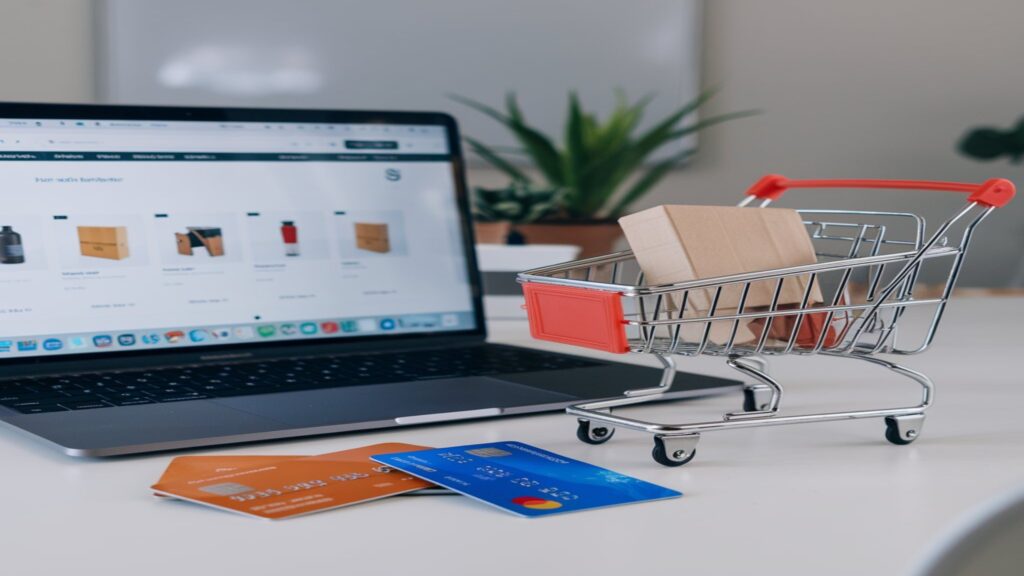
Nigerian e-commerce businesses selling to customers outside Nigeria face a persistent problem. Most international customers want to pay by card in their own currency. However, many Nigerian payment setups do not handle these transactions smoothly.
The friction shows up in several ways. A customer in the UK or US visits a Nigerian e-commerce store and sees prices in naira. They may find that their card does not work at checkout. Even when the payment goes through, the currency conversion on their statement can cause confusion.
Cart abandonment at checkout remains one of the most expensive problems in e-commerce. Payment friction can make the problem worse. When customers cannot pay easily or understand what they will be charged, they are more likely to leave without completing the purchase. Over 56% of Nigerian micro, small, and medium enterprises rely solely on social media for online sales. Most of them are accepting payment through informal channels: bank transfers, mobile money, and in some cases cash on delivery. None of these work for an international buyer. The businesses that have moved to a proper payment infrastructure that accepts international Visa and Mastercard are capturing a customer segment that the majority of Nigerian e-commerce businesses are still leaving on the table.
Problem 2: Paying Overseas Suppliers for Inventory
The other side of the cross-border payment problem for Nigerian e-commerce businesses is outbound: paying the overseas suppliers, manufacturers, and wholesalers who provide the inventory being sold.
Cross-border payments are the operational bottleneck because they touch supplier relationships, cash flow, FX costs, and fraud risk all at once. When a payment to a Chinese supplier is slow, or its status is unclear, production stalls, trust erodes, and working capital sits frozen in transit. For a Nigerian e-commerce business already managing tight inventory cycles and thin margins, that unpredictability compounds every other cost.
The typical pain points:
- SWIFT transfers that take three to five business days and arrive short due to correspondent bank deductions.
- FX margins embedded in the exchange rate that are never disclosed as a separate charge.
- CBN documentation requirements that delay payments when Form A or Form M are not prepared correctly.
- Supplier advance payment requirements of 40 to 60% that tie up working capital before goods are even manufactured.
How to Accept International Payments as a Nigerian E-Commerce Business
The most practical solution for Nigerian e-commerce businesses accepting international payments is a platform that accepts Visa and Mastercard at checkout. It should also settle payments in naira into the business’s Nigerian account.
The mechanics are straightforward. The business sets its product price in naira. The international customer pays by card in their local currency. The transaction uses the prevailing bank rate. The business then receives the naira settlement in its account. There is no need for a domiciliary account or a separate international payment gateway.
For Nigerian e-commerce businesses selling through their own website or social media, here are the key capabilities to look for:
Hosted payment pages and payment links. Businesses without a fully built e-commerce website can use payment links. They can share these links through WhatsApp, Instagram, or email. International customers get a simple checkout experience that accepts cards. No technical integration is required.
API integration for built websites. Businesses with an existing Shopify, WooCommerce, or custom website can integrate a payment gateway API. The API can accept international cards directly within the checkout flow. This gives international customers a similar payment experience to domestic buyers.
Settlement in naira with no domiciliary account required. Most Nigerian e-commerce businesses need a simple way to receive international payments. A platform can handle the currency conversion and settle the funds directly in naira. This removes the need to manage a separate foreign currency account.
NRS-compliant invoicing for B2B e-commerce sales. Nigerian e-commerce businesses selling to international corporate buyers may need to meet NRS invoicing requirements. A platform that generates compliant invoices can connect invoicing with payment collection. This removes another administrative step for the finance team.
How to Pay Overseas Suppliers as a Nigerian E-Commerce Business
The outbound payment problem has a cleaner solution in 2026 than it did two years ago, largely because of the expansion of CBN-licensed fintech payment platforms that offer lower costs and faster settlement than bank wire transfers on major corridors.
For businesses sourcing from China: China is the primary sourcing market for most Nigerian e-commerce businesses. Payments to Chinese suppliers in USD or CNY through a CBN-licensed fintech platform settle faster and at lower all-in cost than SWIFT wire transfers, with the full FX cost disclosed before confirmation rather than embedded invisibly in the exchange rate.
For businesses sourcing from Europe, the UK, or the US: USD, EUR, and GBP payments to European and American suppliers follow the same logic. A fintech platform with transparent FX pricing and local payment network access in destination markets will consistently outperform a bank wire transfer on cost and speed.
For businesses sourcing from other African countries: PAPSS is now a viable option for e-commerce businesses sourcing from suppliers in Ghana, Kenya, South Africa, and other connected African markets. Direct local-currency settlement eliminates the USD routing cost on both legs and settles near-instantly on connected corridors.
The businesses managing cross-border supplier payments most effectively hold foreign currency balances in a multi-currency wallet and deploy them directly for same-currency supplier payments, converting only on the net naira position rather than converting on every individual transaction.
How to Reduce FX Costs on Cross-Border Payments for Your E-Commerce Business
For e-commerce businesses processing regular cross-border payment flows in both directions, FX cost management is one of the highest-return operational improvements available.
The practical steps:
Match inflows and outflows in the same currency. If your business receives USD from international customers and also pays USD-denominated supplier invoices, running both through a USD wallet eliminates the conversion cost on both legs. You receive USD, hold it, and deploy it for supplier payments without converting to naira and back.
Convert strategically, not reactively. The businesses that pay the most in FX costs are those that convert at the moment each transaction requires it, regardless of where the rate sits. Holding a foreign currency balance and converting when rates are favorable, rather than when an invoice deadline forces the decision, meaningfully reduces FX costs over a year of regular transactions.
Use a platform that discloses the full cost before confirmation. A platform that shows the exchange rate, the FX spread, and the transaction fee as separate figures before you confirm gives you the information to compare and decide. A platform that embeds the margin in the rate and only shows you a total amount is charging you more and hiding how much.
How Duplo Supports Nigerian E-Commerce Businesses With Cross-Border Payments
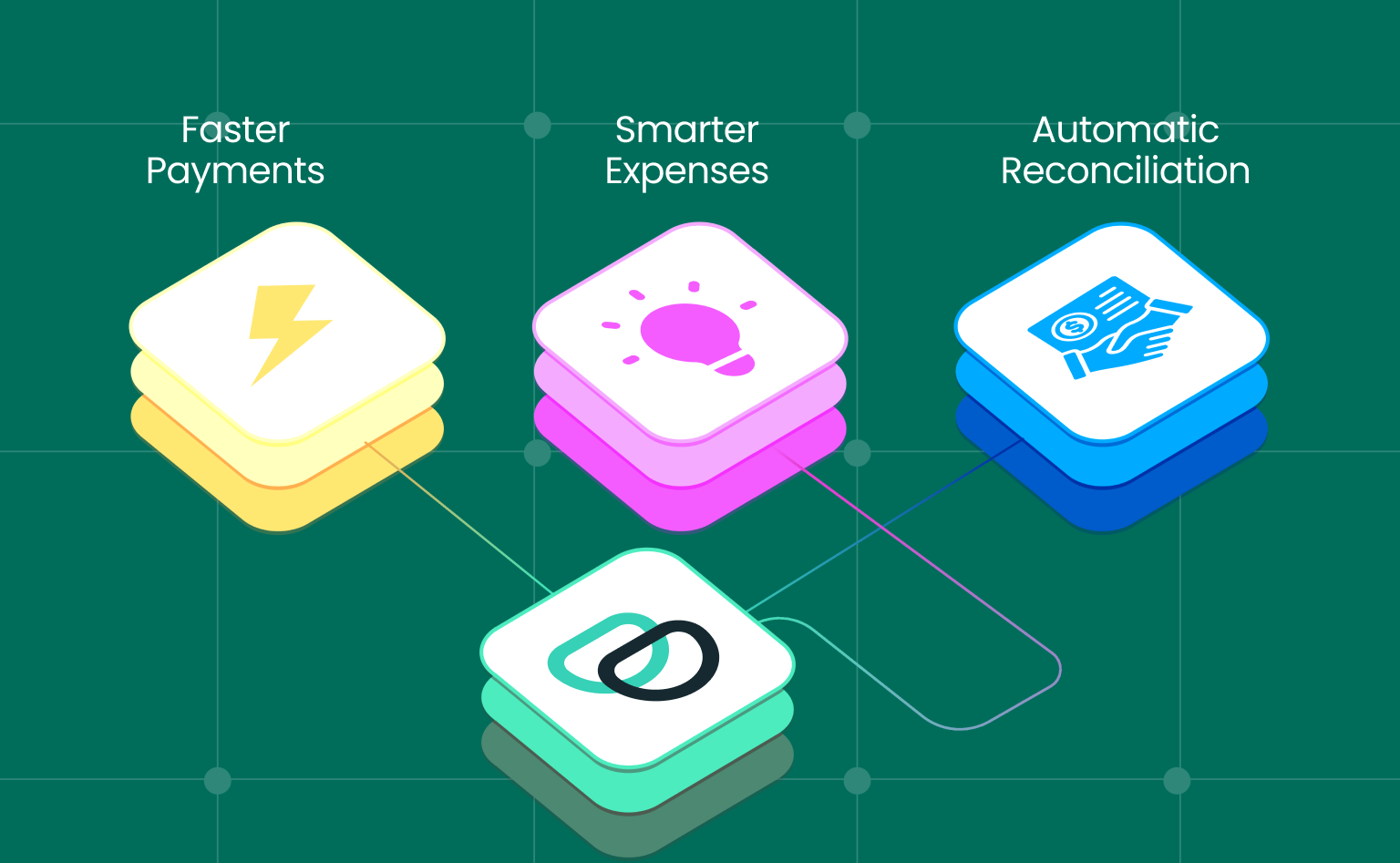
Duplo gives Nigerian e-commerce businesses the infrastructure to handle both sides of the cross-border payment equation from a single connected platform.
Accept international card payments. Nigerian e-commerce businesses can accept international Visa and Mastercard payments from overseas customers through Duplo’s payment collection infrastructure. Settlement in naira. No domiciliary account required. Payment links for social commerce and API integration for website checkout.
Pay overseas suppliers in 160+ countries and 80+ currencies. Send payments to Chinese manufacturers, European wholesalers, and American suppliers directly with transparent FX pricing disclosed before confirmation. Same-day to next-day settlement on major sourcing corridors.
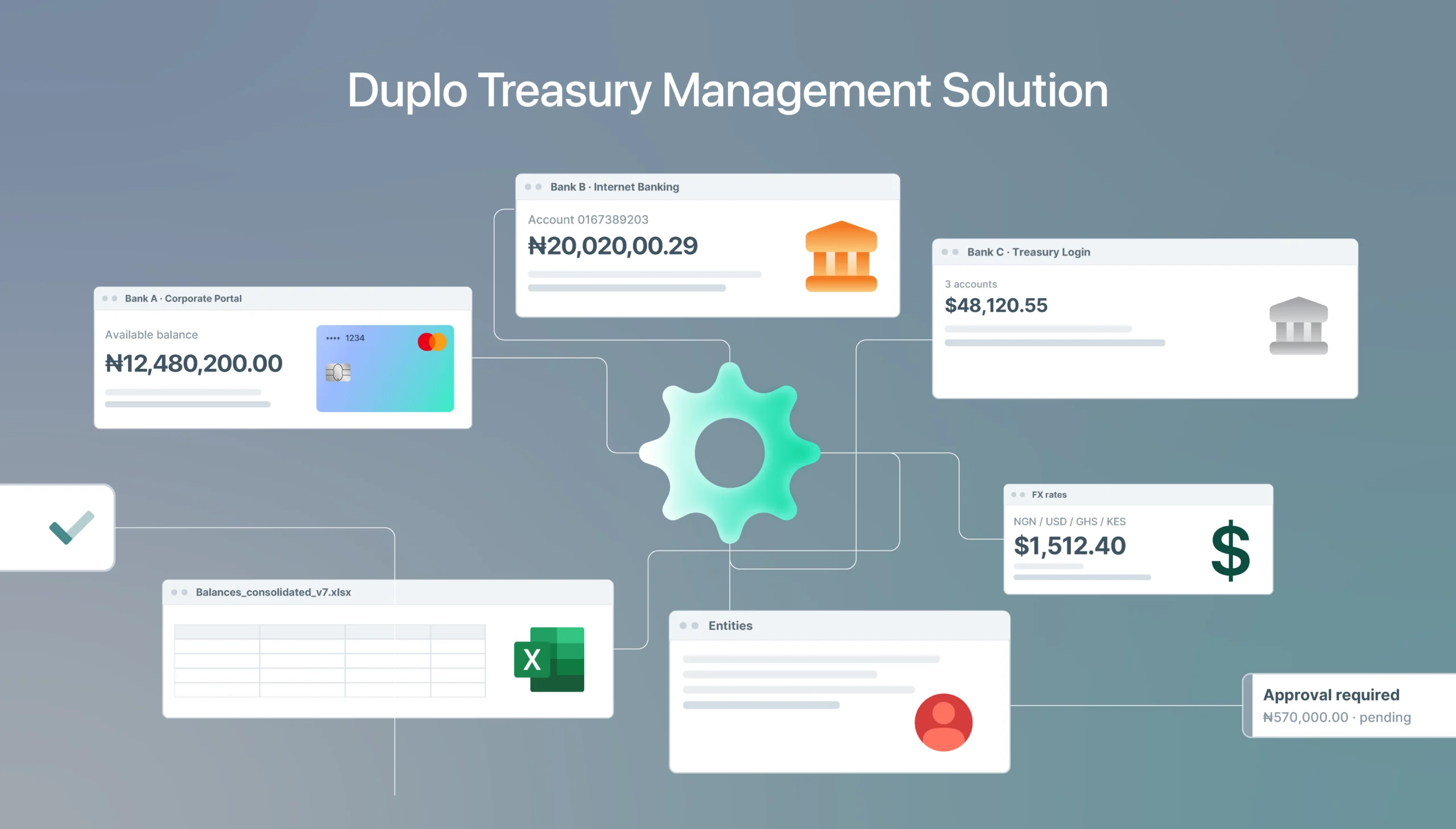
Multi-currency wallets for businesses with regular FX flows. Hold USD, EUR, and GBP balances and deploy them directly for supplier payments. Eliminate the conversion cost on outbound payments when you already hold the relevant currency from inbound receipts.
CBN compliance built into the payment workflow. Form A requirements and corridor-specific documentation steps surface at the point of payment initiation. Transfers clear without mid-transit compliance holds.
Auto reconciliation with QuickBooks, Sage, and Xero. Every international payment and every customer collection matched to its corresponding record and posted to your accounting system automatically. No manual FX conversion entries. No month-end reconciliation backlog.
The Path Forward
Nigerian e-commerce is growing at a pace that most payment infrastructure was not built to support. The businesses capturing international customers, sourcing directly from overseas manufacturers, and managing multi-currency payment flows efficiently are not doing it through better products or better marketing alone. They are doing it because their payment infrastructure handles the complexity that their competitors’ infrastructure cannot.
The FX costs absorbed on every reactive conversion, the correspondent bank deductions on every SWIFT transfer, and the cart abandonments caused by payment friction at checkout are all controllable. They require a deliberate decision to replace the default payment setup with infrastructure built for the cross-border reality of a growing Nigerian e-commerce business.
That infrastructure is available today within a fully CBN-compliant framework. Start here!
Frequently Asked Questions
How do Nigerian e-commerce businesses accept international payments?
The most practical option is a CBN-licensed payment platform that accepts international Visa and Mastercard at checkout and settles in naira into the business’s Nigerian account. The customer pays in their own currency at the prevailing bank rate. The business receives naira settlement without requiring a domiciliary account or a separate international gateway. Payment links work for social commerce sellers without a website.
How do Nigerian online sellers pay overseas suppliers?
CBN-licensed fintech payment platforms offer faster and lower-cost international supplier payments than bank wire transfers on major sourcing corridors including China, Europe, the UK, and the US. For businesses sourcing from other African countries, PAPSS-connected platforms offer near-instant local-currency settlement at the lowest available cost.
What is the best payment platform for Nigerian e-commerce cross-border payments?
The right platform should handle both sides of cross-border payments. It should help you accept international card payments from customers and pay overseas suppliers. Look for a CBN-licensed provider that shows the full FX cost before you confirm a payment. It should also support multi-currency wallets for businesses with regular foreign currency flows. Accounting integrations can further automate reconciliation and reduce manual work.
How do I reduce FX costs for my Nigerian e-commerce business?
The highest-impact approach is matching inflows and outflows in the same currency through a multi-currency wallet, converting strategically when rates are favorable rather than reactively when each transaction requires it, and using a platform that discloses the full FX cost before confirmation rather than embedding the margin invisibly in the exchange rate.
Can Nigerian e-commerce businesses sell to international customers?
Yes. Nigerian e-commerce businesses can accept international Visa and Mastercard payments from overseas customers through a CBN-licensed payment platform. The customer pays in their own currency. The business receives naira settlement. No domiciliary account is required for this setup.