
Nigeria’s freight and logistics market is worth USD 10.95 billion in 2025 and is forecast to reach USD 15.97 billion by 2031. Growth is driven by synchronized infrastructure upgrades, a sharp rise in e-commerce parcel volumes, the commissioning of Lekki Deep Sea Port and Onne capacity upgrades, and the Dangote refinery’s ramp-up that redirects refined-product flows across West Africa.
The opportunity is real. So is the cost pressure. Diesel costs account for at least 35% of trucking outlays for Nigerian logistics companies, while the Lagos Chamber of Commerce and Industry estimates that logistics inefficiencies cost Nigeria USD 8 billion annually, including USD 5.8 billion in corporate earnings lost by companies reliant on major ports like Apapa where logistics costs continue to rise.
For Nigerian logistics companies operating in this environment, the businesses that capture the growth opportunity are those that manage their costs with discipline. Every naira spent on avoidable demurrage, every dollar converted at a poor FX rate for a freight payment, and every expense claim that slips through without a receipt is margin that the business cannot recover. This guide covers how spend management addresses the specific cost challenges that Nigerian logistics companies face.
The Spend Management Challenges Specific to Nigerian Logistics
Diesel and fuel costs: The largest controllable expense.
Diesel costs account for at least 35% of trucking outlays for Nigerian logistics companies, making fuel the single largest controllable cost category in most road freight operations. Yet in most Nigerian logistics businesses, fuel spending is managed through a combination of cash advances to drivers, fuel cards with limited oversight, and manual reconciliation that happens days or weeks after the purchase. Without real-time visibility into fuel spend by vehicle, route, and driver, fuel cost management is reactive rather than proactive.
The specific control failures that drive excess fuel costs:
- Cash advances issued without tracking against specific trips or routes.
- Fuel purchases made at stations not on the company’s preferred or contracted list.
- Receipts submitted with amounts that do not match the actual fuel dispensed.
- No comparison between fuel purchased and distance travelled to flag consumption anomalies.
Port-related costs: Demurrage, handling, and customs fees.
Port congestion at Apapa and other Nigerian ports means logistics companies regularly face demurrage charges when payments to port authorities or freight agents are delayed. These charges accumulate daily and can exceed the value of the original payment they were triggered by.
Port-related payments are uniquely time-sensitive.
A handling fee that is not cleared before a container’s free time expires starts accumulating demurrage. A customs agent that has not been paid cannot release documentation. A freight forwarder waiting on funds from a previous job will not prioritize the next one. The payment infrastructure a Nigerian logistics company uses for port-related expenses determines directly how much demurrage it absorbs.
FX costs on international freight payments.
Nigerian logistics companies making international freight payments, to shipping lines, overseas agents, and international freight forwarders, do so primarily in USD. Every naira-to-USD conversion carries an FX spread that banks apply without disclosing as a separate figure. For a logistics company making ten USD-denominated payments per month, that spread accumulates into a significant annual cost.
Nigeria pays over USD 2 billion in freight annually to foreign ship owners. For Nigerian logistics companies facilitating these payments, the FX cost on each transaction is a directly controllable expense that most businesses have not actively optimized.
Driver and field staff expense management.
Nigerian logistics operations are field-intensive. Drivers incur expenses on routes: fuel, toll fees, accommodation for long-haul trips, and vehicle maintenance costs. Without structured mobile expense capture and approval, these costs are managed through cash advances and informal reconciliation that creates persistent leakage and unreliable job costing.
How Spend Management Addresses Nigerian Logistics Cost Challenges
| Cost Challenge | Current Management | Spend Management Solution |
| Fuel spend | Cash advances, manual reconciliation | Mobile receipt capture, per-trip fuel limits, consumption anomaly flags |
| Port demurrage | Manual payment initiation; delays cause charges | Automated approval routing; same-day settlement on critical corridors |
| USD freight payments | Converted at bank rate on each payment | Multi-currency wallet; convert at favorable rates; full cost disclosed |
| Driver expense claims | Cash advances; informal reimbursement | Mobile capture at point of purchase; automated routing; job-code reconciliation |
| Customs agent fees | Ad hoc payments; no approval trail | Approved vendor list; threshold-based approval; full audit trail |
| Multi-branch visibility | Manual consolidation at month-end | Live dashboard across all depots and locations in real time |
The CBN Compliance Layer for Nigerian Logistics Payments
Nigerian logistics companies making international freight payments operate within a specific CBN compliance framework that adds documentation requirements on top of the payment process itself.
For USD freight payments to overseas shipping lines and agents, the standard documentation requirements include:
- Form A: the CBN application for foreign exchange from an authorized dealer bank, required for all international payments above threshold.
- Commercial invoice from the freight provider consistent with the payment amount and reference.
- Bill of lading or airway bill for shipment-related payments, confirming the logistics service being paid for.
- BVN and NIN verification on all business payment accounts as required by CBN KYC guidelines.
The Nigerian government’s foreign exchange restrictions and CBN documentation requirements add compliance overhead to international logistics payments that local operators must manage carefully to avoid payment holds and delays.
When documentation is incomplete or inconsistent with the payment record, banks hold the transfer for review. For logistics payments where timing is directly tied to cargo release, a compliance hold is not just a finance inconvenience. It is an operational failure with immediate commercial consequences.
Using a CBN-licensed payment platform that embeds documentation requirements into the payment workflow, presenting them at point of initiation rather than after submission, is the most reliable way to prevent compliance-triggered payment holds on time-sensitive logistics transactions.
Five Spend Management Priorities for Nigerian Logistics Companies
Priority 1: Structure fuel expense management by trip and vehicle. Configure expense submissions that require drivers to specify the vehicle, route, and trip reference for every fuel purchase. This creates a reconcilable record that allows finance to compare fuel costs against distance travelled and flag consumption anomalies that indicate either inefficient routing or expense irregularities.
Priority 2: Pre-fund port payment corridors to eliminate demurrage risk. The most reliable way to prevent demurrage charges caused by payment delays is to ensure funds are available for port-related payments before they are triggered. Pre-funded payment channels for Apapa, Tincan, and Onne port payments, using a platform with same-day settlement capability, eliminate the gap between payment authorization and cleared funds that creates demurrage exposure.
Priority 3: Hold USD balances for freight payments. Rather than converting naira to USD for every individual freight payment, maintain a USD balance in a multi-currency wallet and deploy it directly for USD-denominated payments. This eliminates the FX conversion cost on every individual transaction and allows conversions to be timed strategically rather than executed reactively when each invoice falls due.
Priority 4: Digitize driver and field expense management. Replace cash advances and informal reconciliation with mobile expense capture that requires a receipt photo, a trip reference, and a category selection at the point of purchase. Approved expenses are automatically reconciled against the relevant job or route, giving finance accurate job-level cost data without manual matching.
Priority 5: Build payment reliability with port agents and freight forwarders. The freight agents and customs brokers that Nigerian logistics companies depend on prioritize clients who pay reliably and quickly. Foreign logistics companies with better financial resources are generally better positioned in Nigeria’s market, leaving local operators at a disadvantage when payment infrastructure is weak. A Nigerian logistics company with modern payment infrastructure can compete on payment reliability with larger international players, which is a genuine commercial differentiator in the Nigerian market.
How Duplo Works for Nigerian Logistics Companies
Duplo is CBN-licensed, PCI DSS certified, ISO certified, NRS SI and APP licensed, and NDPC-registered. We are built for Nigerian businesses that need payment speed, FX transparency, and spend control in a single platform.
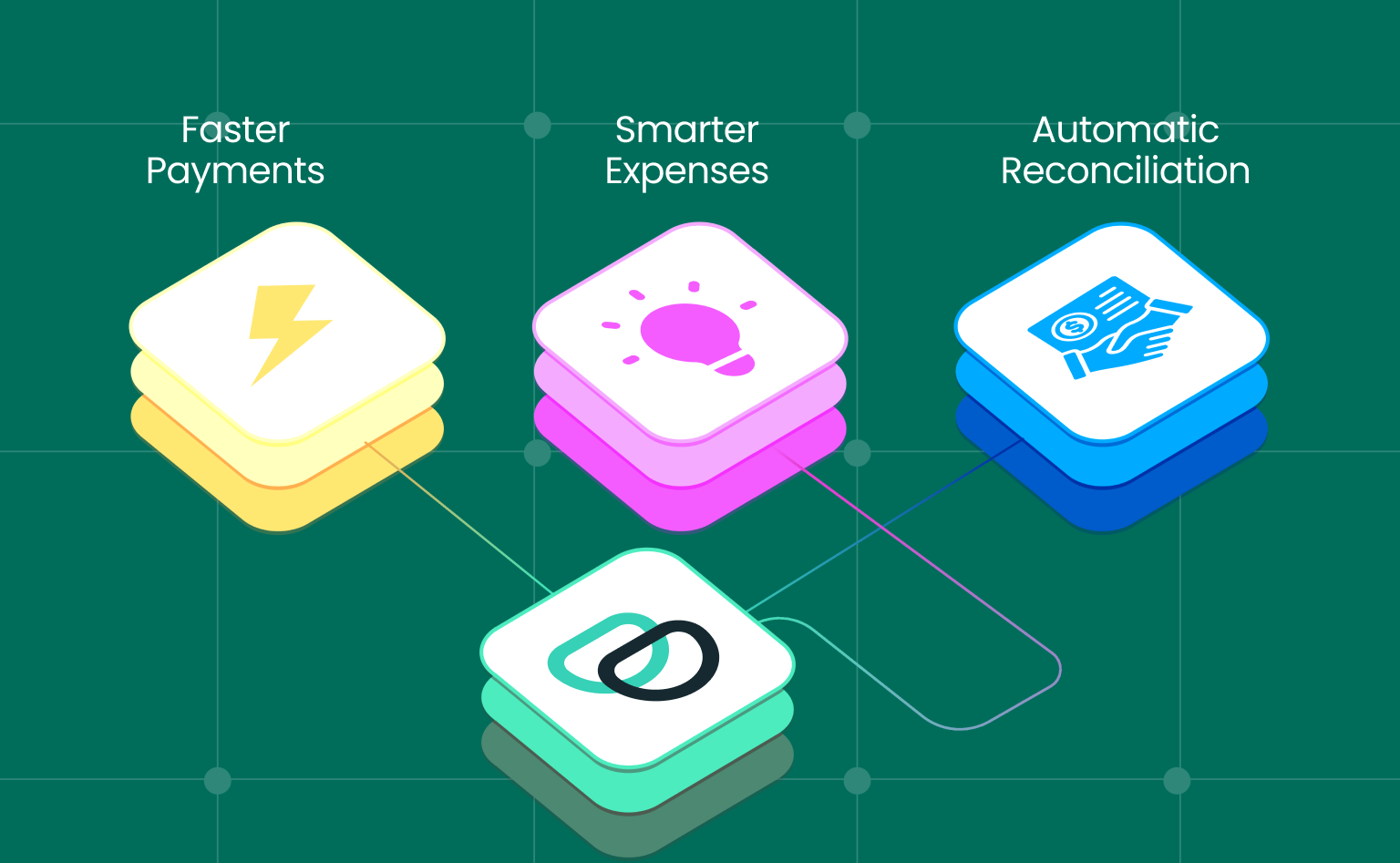
Multi-currency wallets for freight payments. Hold USD, EUR, and NGN in a single wallet. Pay international shipping lines and overseas agents in USD directly from your USD balance without converting at every transaction. Instant FX Swap converts at competitive rates with full cost disclosed before confirmation.
Same-day settlement on critical corridors. Port-related payments, agent fees, and freight charges settled faster than bank wire transfers on major corridors. Reduce the demurrage exposure that slow correspondent banking settlement creates.
Mobile expense management for drivers and field staff. Receipt capture at the point of purchase, trip and job code assignment, automated approval routing, and real-time reconciliation. Cash advances replaced by a documented, auditable process.
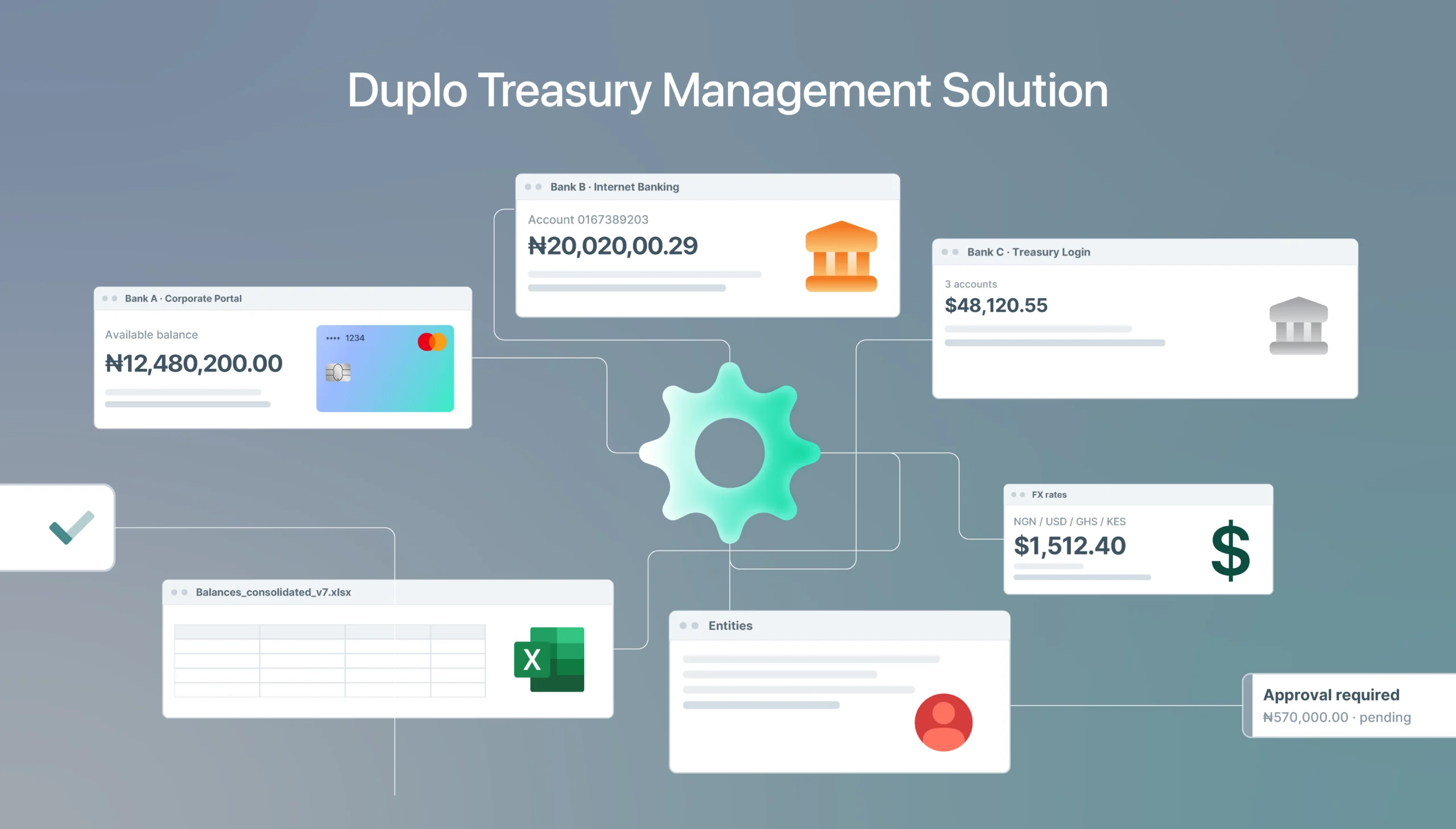
Procurement approval workflows. Configure approval thresholds for agent engagements, charter bookings, and above-threshold operational expenses. Routine payments from approved partners auto-approve. Non-standard payments route to the correct authorizer automatically.
CBN-compliant payment workflows. Documentation requirements surfaced at point of payment initiation. Form A requirements, invoice consistency checks, and corridor-specific compliance steps embedded in the workflow before submission.
Bulk payments for multi-vendor settlement. Pay port agents, customs brokers, and sub-contractors in a single run. Reduce processing overhead on high-frequency payment cycles.
Auto reconciliation with QuickBooks, Sage, and Xero. Every payment matched to its job record and posted to your accounting system automatically. Job costing stays accurate without manual data entry.
The Path Forward
Simpler customs formalities under the forthcoming National Single Window, a steady pivot toward CNG trucking fleets, and widespread adoption of digital freight-matching platforms will collectively raise service efficiency and widen geographic coverage for Nigerian logistics companies in the years ahead.
The Nigerian logistics companies best positioned to capture that growth will be those that have built the financial infrastructure to match their operational ambitions: payment reliability that keeps port agents and freight partners prioritizing their cargo, FX cost management that reduces the drag of dollar-denominated freight payments, and spend visibility that gives leadership accurate cost data across every depot, route, and job.
None of these require major capital investment. They require a spend management platform built for the Nigerian logistics context.
? Duplo is that platform. Start by booking a demo with a member of our team here!
Frequently Asked Questions
What are the biggest spend management challenges for Nigerian logistics companies? The five most significant are: diesel and fuel cost management across drivers and routes; port-related payment timing that determines demurrage exposure; FX costs on USD-denominated international freight payments; driver and field staff expense leakage from informal cash advance processes; and fragmented spend visibility across multiple depots and locations that makes accurate job costing difficult.
How do I reduce FX costs on international freight payments from Nigeria? Hold a USD balance in a multi-currency wallet and pay international freight agents and shipping lines directly from that balance without converting naira on every transaction. Time your naira-to-USD conversions strategically using a platform like Duplo’s Instant FX Swap, which shows the full cost before confirmation, rather than converting reactively when each invoice falls due.
How do I prevent demurrage charges caused by payment delays? Use a payment platform with same-day or next-day settlement on port payment corridors rather than bank wire transfers that take two to five business days. Pre-funding port payment channels and using automated approval workflows with mobile access ensures that funds are cleared before free time expires, eliminating the payment delay as a cause of demurrage.
Does Duplo support CBN-compliant international payments for Nigerian logistics companies? Yes. Duplo is CBN-licensed, NRS SI and APP licensed, PCI DSS certified, ISO certified, and NDPC-registered. Our payment workflow surfaces CBN documentation requirements, including Form A requirements and invoice consistency checks, at the point of payment initiation so transfers clear without mid-transit compliance holds.