
Nigeria’s startup ecosystem is one of the most active in Africa. Nigeria has 1,475 tracked startups with 31.8% growth in 2025, over USD 2.17 billion in total funding, and backing from the Nigeria Startup Act through labeling, incentives, and seed fund access. Lagos remains the center of gravity, while Abuja, Ibadan, Port Harcourt, Kaduna, and Oyo keep adding activity.
The capital is flowing. The growth is real. And the financial controls, in most of these businesses, have not kept pace with either.
For Nigerian startups in 2026, the real edge goes to founders who solve costly problems and can collect revenue in rough conditions. The market is now less about hype and more about capital discipline and market realism. That capital discipline starts with spend management: knowing where every naira is going, controlling it before it leaves the business rather than reconciling it after, and building the financial infrastructure that investors, auditors, and a growing finance team will eventually demand.
This guide is for Nigerian startups that want to build that infrastructure now, before the problems that come without it force them to.
Why Nigerian Startups Delay Spend Management and What It Costs Them
The reason most Nigerian startups delay implementing spend management is the same reason most startups globally do: it feels like a problem for later. When the team is small, the founder knows where every naira is going. Approvals happen in a group chat. Expenses are submitted by email. The finance manager, if there is one, handles reconciliation manually at month-end. It works, roughly, until it does not.
The specific moment it stops working is different for every startup, but the patterns are consistent:
- The first significant funding round arrives. Suddenly the business has more cash than it has ever had, more people with spending authority, and investors who expect financial reporting that a spreadsheet cannot produce reliably.
- Headcount doubles in six months. The informal approval process that worked with eight people breaks at twenty. Expenses accumulate without the founder’s knowledge. Budget positions are unknown until the bank statement is reconciled.
- The first audit or due diligence process begins. An investor, acquirer, or auditor asks for a complete transaction history with approval records. Reconstructing it from WhatsApp messages and email threads takes weeks and still has gaps.
For Nigerian startups in 2026, bank loans remain expensive with lending rates around 29%. Bootstrapping remains king and grants and equity will continue to beat debt. In this environment, capital efficiency is not just a metric investors track. It is a survival discipline.
A startup that cannot account for its spending accurately is not just an administrative problem. It is a fundraising risk, a governance risk, and, as the team grows, a fraud risk.
The Four Spend Management Problems Nigerian Startups Face as They Scale
Problem 1: Informal approvals with no audit trail. The standard approval process in an early-stage Nigerian startup is a message to the founder or a senior team member, an informal yes, and a payment. No record of who approved what, at what amount, for what purpose. When the team is three people, this is manageable. When it is thirty, it is a control failure that produces consistent and predictable outcomes: unauthorized spend, budget overruns, and an inability to produce clean financial records when it matters.
Problem 2: Expense claims submitted weeks after purchase. Team members submit expense claims at irregular intervals, sometimes weeks after the purchase was made. Finance reconciles these against bank statements that are already several weeks old. The budget position the team is working from is always a retrospective snapshot, never a current one. Decisions about hiring, vendor contracts, and operational investment are made on financial data that does not reflect the actual state of the business.
Problem 3: No real-time budget visibility by department or cost centre. Growing businesses often discover spend management gaps only after problems arise, such as when they exceed budgets or face cash flow issues. Without real-time visibility, founders and finance leads make decisions based on incomplete financial data that consistently underestimates committed spend. A Nigerian startup with five departments and thirty employees has no reliable way to know, mid-month, whether engineering is on track with its budget, whether marketing has committed more than was allocated, or whether the office operations spend is running above or below plan.
Problem 4: SaaS and subscription spend that grows invisibly. Nigerian startups are heavy users of SaaS tools: project management, communication, design, development, analytics, and finance tools accumulate across teams. Each tool is small individually. Collectively, they represent a significant monthly commitment that grows as the team grows, often without anyone maintaining a consolidated view of what is being paid for, what is being actively used, and what is renewing automatically without review.
When Nigerian Startups Should Implement Spend Management
The honest answer is earlier than most founders think. The right time is not when the finance team is overwhelmed, when an investor asks for clean records, or when a budget overrun surfaces at month-end. The right time is before any of those things happen.
Practical triggers that signal it is time:
| Trigger | Why It Signals the Need |
| Headcount reaches 10+ | Informal oversight no longer covers all spending decisions |
| First external funding round | Investors expect financial controls and clean reporting |
| Second department or cost centre created | Budget tracking by department requires a system |
| Monthly SaaS spend exceeds NGN 500,000 | Subscription visibility and control becomes material |
| Finance manager hired | They need a system to work with, not a spreadsheet to inherit |
| Due diligence process begins | Audit trails must exist before they are requested |
The earlier spend management is implemented, the lower the cost of doing it. A startup that builds financial controls at ten employees does not have to rebuild them at fifty. A startup that waits until fifty is rebuilding while also scaling, which is significantly more expensive in time, money, and operational disruption.
What Spend Management Should Look Like for a Nigerian Startup
The spend management infrastructure a Nigerian startup needs is not the same as what a 500-person enterprise needs. It should be:
- Fast to implement: days, not months. Configuration should reflect the startup’s actual structure, not require a lengthy professional services engagement.
- Simple for the team to use: an employee submitting an expense should spend under two minutes doing it. An approver should action a request from their phone in under thirty seconds.
- Scalable: the same system that works at fifteen employees should still work at 150, with additional configuration rather than a platform switch.
- Integrated with your accounting tools: payment data should flow into QuickBooks, Sage, or Xero automatically, without manual export.
The specific capabilities that matter most for a Nigerian startup at the point of implementation:
- Approval workflows configured to the startup’s actual authorization structure: who approves what, at what threshold, with what escalation path.
- Real-time budget tracking by department and cost centre, so leadership knows the current financial position without waiting for month-end.
- Mobile expense capture for the team members who are not sitting near a finance manager.
- Vendor payment management for the recurring supplier payments that should not require manual initiation every cycle.
- Audit trails that are created automatically as a byproduct of the normal approval workflow, not reconstructed after the fact.
How Duplo Works for Nigerian Startups
Duplo is built for Nigerian businesses at every stage of growth, including startups that are
building financial controls for the first time and need a platform that is fast to implement, simple to use, and designed for the Nigerian regulatory and payment context.
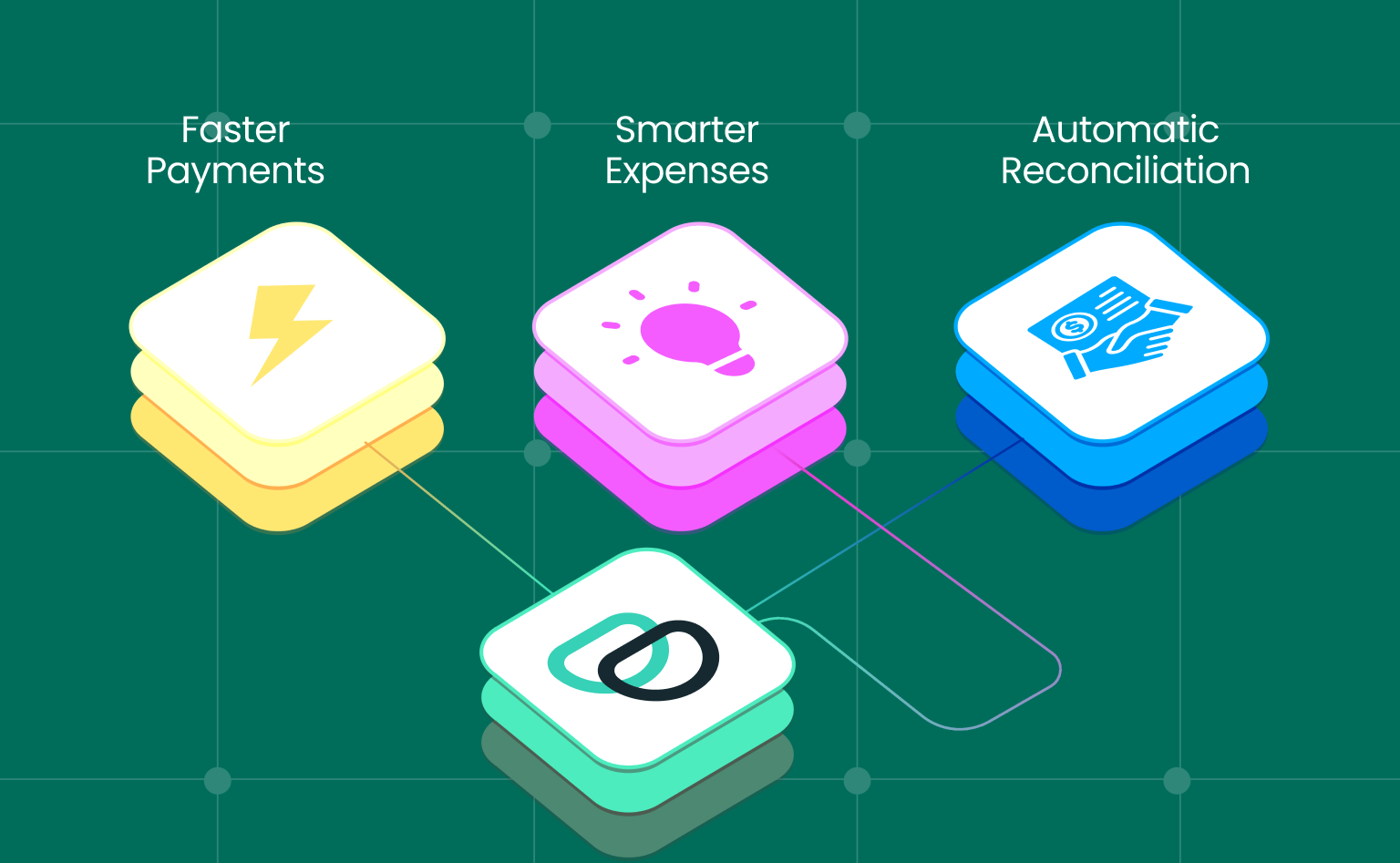
Approval workflows configured to your structure. Set authorization thresholds by role and amount. Routine purchases auto-approve. Above-threshold requests route to the correct approver automatically, with mobile notification and one-tap action.
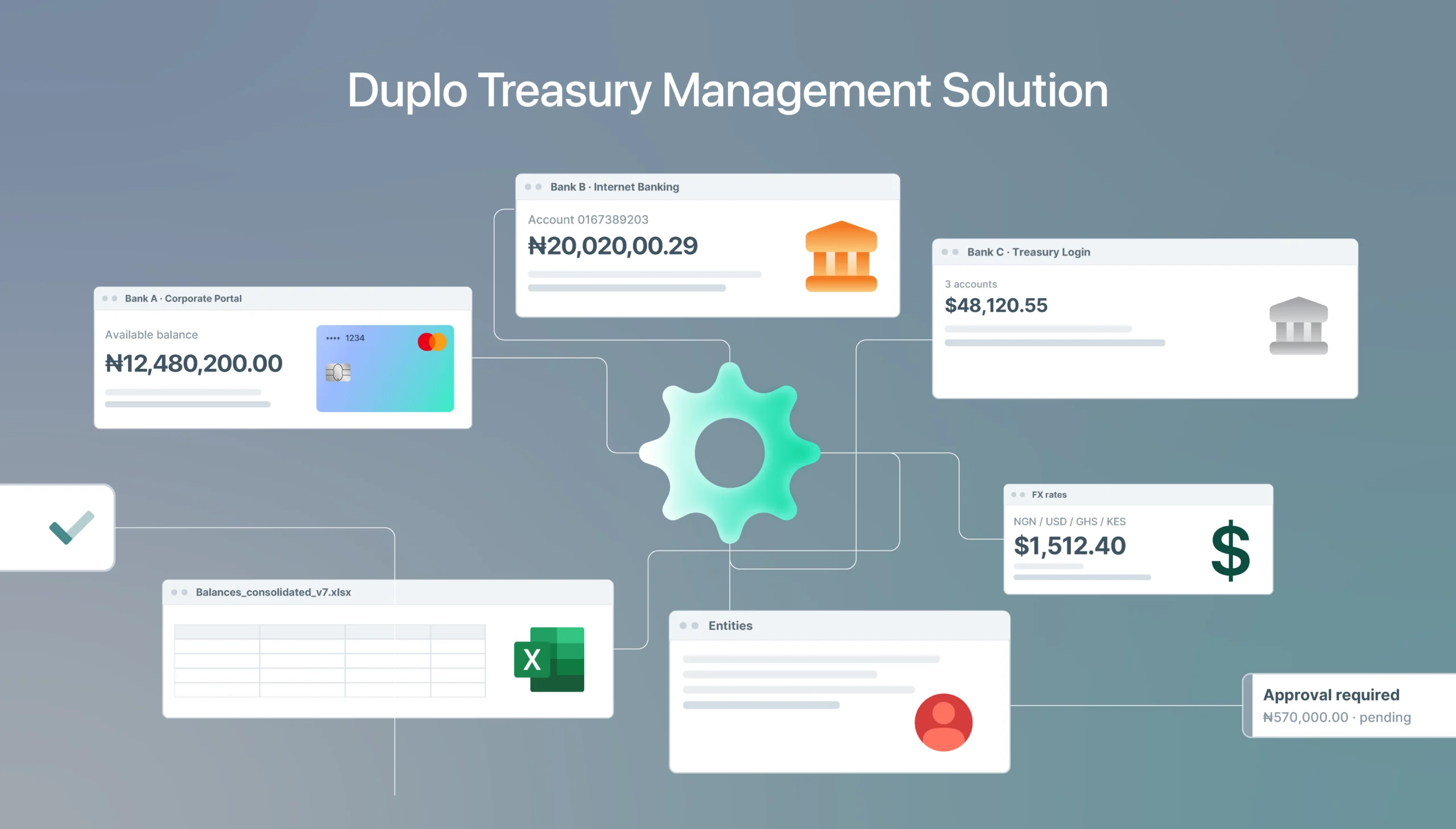
Real-time spend dashboards. See actual and committed spend by department and cost cente rlive. Budget positions updated as approvals are made, not when invoices arrive.
Mobile expense management. Receipt capture by photo, category selection, and submission in under two minutes. Approved expenses reconciled automatically against the relevant budget. No cash advance reconciliation at month-end.
Vendor payment management. Recurring supplier payments managed within the same approval workflow as expenses. Approved payments executed directly, with full audit trail and auto reconciliation.
SaaS and subscription visibility. All recurring charges visible in one dashboard with last-used dates and renewal timelines. No subscription renewing for a tool nobody is using.
Integrations with QuickBooks, Sage, and Xero. All spend data flows into your accounting system automatically. Your finance manager works from accurate, current records from day one.
CBN-licensed, PCI DSS certified, ISO certified, NDPC-registered. Nigerian regulatory compliance built in from the start.
The Path Forward
The Nigerian startup market in 2026 is less about hype and more about capital discipline. The real edge goes to founders who manage costs precisely, build financial infrastructure early, and demonstrate the kind of governance that investors and partners expect from businesses serious about sustainable growth.
The spend management infrastructure that protects a Nigerian startup’s capital, gives its leadership accurate financial data, and satisfies investor and audit expectations does not take months to build or require a dedicated finance team to maintain. It requires a platform configured to the startup’s actual structure, implemented before the informal system breaks rather than after.
? Duplo is built to be that platform for Nigerian startups. The earlier you build the controls, the less it costs to maintain them. Start here to see it in action!
Frequently Asked Questions
When should a Nigerian startup implement spend management? Earlier than most founders think. The practical triggers are: headcount reaching ten or more employees, completing a first external funding round, creating a second department or cost center, monthly SaaS spend exceeding NGN 500,000, hiring a finance manager, or beginning any investor due diligence process. Implementing before these triggers is significantly less expensive than implementing after them.
What spend management features does a Nigerian startup actually need? The essential capabilities are: configurable approval workflows that reflect the startup’s actual authorization structure, real-time budget tracking by department and cost center, mobile expense capture for all team members, vendor payment management for recurring supplier payments, and automatic audit trails created as a byproduct of the normal workflow. Integration with QuickBooks, Sage, or Xero is important from the start so financial records are accurate from day one.
How does spend management help Nigerian startups raise funding? Investors conducting due diligence on a Nigerian startup will request financial records, transaction histories, and evidence of financial controls. A startup that has been running spend management from early in its life can produce clean, complete records immediately. One that has not faces weeks of reconstruction work and the risk of gaps that create investor concerns. The financial governance that spend management provides is also a signal of operational maturity that sophisticated investors value.
Does Duplo work for early-stage Nigerian startups? Yes. Duplo is built for Nigerian businesses at every stage of growth. For early-stage startups, the platform is fast to implement, simple for small teams to use, and scales with the business as headcount and operational complexity grow. CBN-licensed, PCI DSS certified, ISO certified, and NDPC-registered, it provides the regulatory compliance framework that Nigerian startups need from the start.
How do I manage field sales expenses across multiple territories in Nigeria? Use a spend management platform with mobile expense capture that requires field sales representatives to submit receipts with territory and campaign codes at the point of purchase. Automated approval routing and reconciliation against campaign budgets gives finance real-time visibility into field costs without waiting for cash advance reconciliation at month-end.
Can Duplo handle bulk supplier payments for FMCG distribution companies? Yes. Duplo supports bulk payments to up to 500 suppliers in a single run via CSV, API, or dashboard. Automated purchase order matching and duplicate payment detection are built into the workflow before payment release, reducing processing overhead and error rates on high-volume FMCG supplier payment cycles.