Author – Yele Oyekola, CEO of Duplo
Nigerian businesses lose approximately ₦800 billion to ₦1.2 trillion annually to invoice disputes, payment mismatches, and reconciliation gaps. NRS (formerly FIRS) estimates that manual invoicing and under-reporting create another ₦500 billion in annual tax leakage.
That ends now.
Nigeria is entering a defining phase in its economic evolution, a shift from paper-based, discretionary tax systems to digital, real-time, rules-based compliance infrastructure.
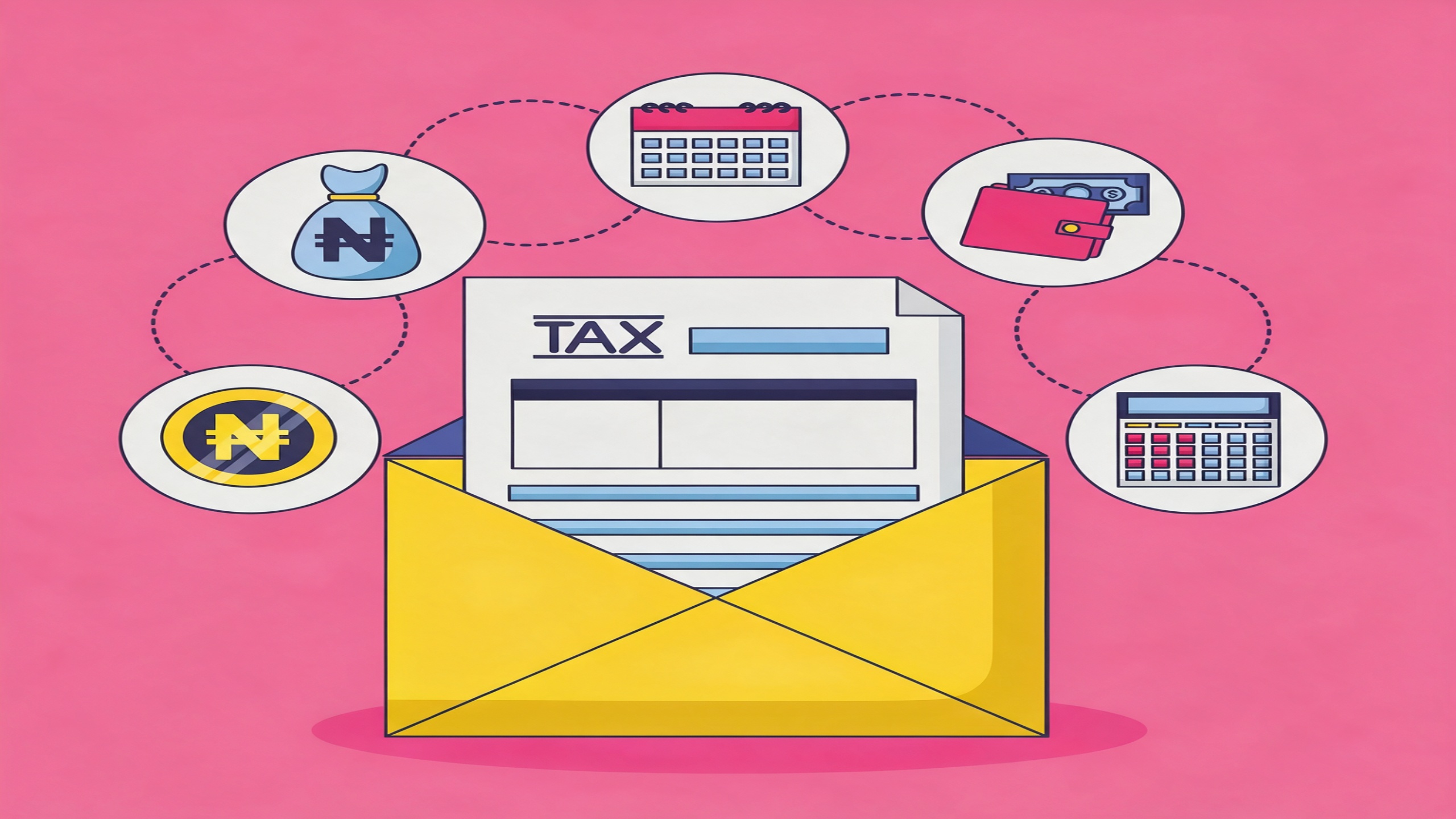
The Nigeria Revenue Service (NRS) e-invoicing mandate is not another regulatory checkbox. It is the foundation of Nigeria’s transition from paper-based, discretionary tax systems to digital, real-time, rules-based compliance infrastructure.
As someone who has spent the past four years building financial operations and payments software for African businesses, and working with hundreds of businesses on this exact transition, I see this shift as both necessary and inevitable.
The question is no longer whether to adopt e-invoicing. It’s how quickly businesses can embed it into their operations before it becomes a competitive liability
What Is NRS E-Invoicing?
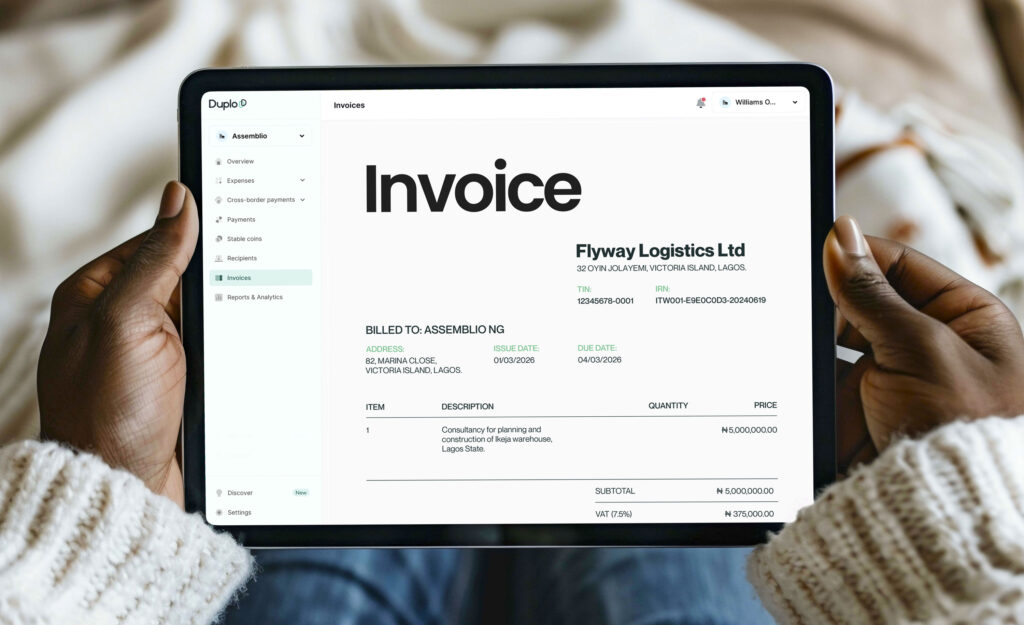
NRS e-invoicing requires businesses to generate, validate, and transmit invoices in a standardized electronic format for all transactions.
For Suppliers (Invoice Issuers):
1. Generate Invoice
Create your invoice (B2B, B2C, or B2G) in structured digital format with mandatory fields: supplier TIN, buyer TIN, line items, applicable tax codes (VAT, WHT), and transaction amounts.
2. Transmit to NRS
Your ERP or accounting system sends the invoice via REST API to NRS’ TaxPro-Max validation engine through a licensed Access Point Provider.
3. Real-Time Validation
NRS performs instant checks on:
- TIN verification (both supplier and buyer against NRS database)
- Tax code accuracy (correct VAT rates, exemptions, WHT categories)
- Amount threshold checks (flagging transactions requiring additional documentation)
- Duplicate detection (preventing double-invoicing)
4. Receive Digital Approval
Upon validation, NRS returns your invoice with:
- Unique Invoice Reference Number for audit trail
- Clearance Signature ID as proof of validation
- QR code for instant mobile verification
- Timestamp locked into NRS’ immutable ledger
5. Issue to Buyer
You send the validated, digitally signed invoice to your customer, now with verifiable proof of tax compliance.
For Buyers (Invoice Recipients):
1. Receive E-Invoice
Get the digitally validated invoice from your supplier, either via email, your procurement system, or direct API integration.
2. Verify Instantly
Scan the QR code or check against NRS’ system to confirm the invoice is legitimate and pre-validated. No need to question supplier tax compliance.
3. Automated Reconciliation
Your accounting system receives structured, validated invoice data directly, eliminating manual data entry, reducing disputes, and streamlining month-end close.
Unlike traditional invoices that exist as PDFs, spreadsheets, or paper records, e-invoices are structured, verifiable, and traceable across the entire transaction lifecycle. The invoice becomes proof, not paperwork.
Why Nigerian Businesses Should Care About This Shift
1. The cost of Nigeria’s broken tax system falls on honest businesses
Nigeria’s tax-to-GDP ratio is 8.3%, compared to 26% in South Africa and 18% in Kenya. NRS estimates ₦500 billion in annual tax leakage from manual invoicing among just the top taxpayers.
This isn’t just a government revenue problem; it’s a competitive problem. Businesses operating with clean books compete against those gaming the system. International lenders/partners see systemic risk in Nigerian businesses because manual tax systems make revenue verification difficult and time-consuming.
E-invoicing levels the playing field. When buyers can verify your revenue and tax compliance instantly, rather than requesting weeks of documentation, deals move faster. More importantly, you qualify for opportunities that non-compliant businesses simply can’t access.
2. The global economy has moved on and proven the model
Nigeria isn’t experimenting. We’re following a proven playbook:
- Brazil (2008): E-invoicing increased VAT compliance by 22% within 18 months, directly contributing to fiscal stability during the 2010s commodity downturn
- India (2020): E-invoicing reduced VAT fraud by 15% in year one, adding $2.1B to government revenues
- Turkey (2014): Cut audit processing time by 70% and improved dispute resolution speed by 60%
- Rwanda (2013): Achieved 95% e-invoicing compliance within 24 months, strengthening its World Bank “Ease of Doing Business” ranking
The pattern is clear: countries that digitized tax infrastructure early now enjoy more predictable fiscal systems, stronger investor confidence, and healthier business environments. Late adopters face compounding disadvantages in accessing institutional capital and regional trade flows.
3. Enterprise buyers will enforce this faster than NRS
Here’s the reality: Within 18 months, non-compliance will disqualify you from most formal B2B commerce. The market enforces this faster than regulators.
If you supply to multinationals, banks, or government agencies, they’ll require NRS-validated invoices as a vendor qualification. Non-compliant vendors won’t make it past the RFP stage.
4. Manual processes have become active liabilities
For businesses issuing 100-500 invoices monthly, even small inefficiencies compound quickly:
- Invoice errors account for 3-5% of annual revenue loss due to disputes and reconciliation gaps (for a ₦10B revenue company, that’s ₦300-500M annually)
- Manual reconciliation consumes 30-50 hours per month of finance team time
- Audit preparation under manual systems takes 4-6 weeks vs. 2-3 days with automated, real-time trails
We expect that businesses that automate invoicing see:
- 60% faster reconciliation
- ROI within 4-6 months of implementation
The cost of staying manual is no longer justifiable.
What This Means for Nigerian Businesses
The impact on businesses is significant but overwhelmingly positive for those who act decisively:
1. Compliance becomes real-time and non-negotiable
Invoices are validated instantly. Errors are flagged immediately, not months later during audits. There’s no grace period for “fixing records later.” This is actually good news for finance teams. Instead of scrambling during quarterly audits, you know your compliance posture in real time.
2. Audit trails become your competitive advantage
Businesses must maintain accurate, system-generated histories of all invoice activity: issuance, payment, status updates, and tax treatment.
From our pilot, companies with clean audit trails close deals 40% faster because enterprise buyers and institutional lenders can verify revenue and tax compliance in hours, not weeks.
3. Your financial systems become strategic assets or strategic risks
The CFO office will increasingly rely on automation, integration, and real-time reporting to stay compliant and scalable. Spreadsheet-driven invoicing and disconnected payment systems now carry material compliance and audit risk.

4. Implementation timelines matter more than you think
NRS enforcement will likely follow a phased approach, starting with Nigeria’s largest 500-1,000 taxpayers (those with the most to lose and the most to gain). SMEs will have more breathing room, but the gap between compliant and non-compliant businesses will widen rapidly.
Early adopters will have 18-24 months to refine their systems, and train teams. Late adopters will be scrambling under regulatory pressure with less vendor capacity and higher implementation costs.
How Duplo Helps Businesses Stay Compliant at Scale
At Duplo, we don’t see e-invoicing as a standalone tax requirement. We see it as part of a broader shift toward embedded financial operations, where invoicing, payments, approvals, and reporting all live on a single platform.
As one of the few NRS-licensed System Integrators (SI) andAccess Point Providers (APP), we’ve built:
- Fully NRS-compliant e-invoice generation
- Real-time validation and transmission to NRS TaxPro-Max
- End-to-end audit trails connecting invoices directly to payments and financial reporting
What we expect clients to achieve:
- 12% reduction in billing errors
- 35-40% faster payment cycles due to instant invoice validation
- 60% reduction in reconciliation time by eliminating manual matching
But our goal isn’t just compliance. It’s making compliance invisible. When invoicing, payments, and reporting operate on a single platform, finance teams gain visibility, accuracy, and control without adding headcount or complexity.

What To Do This Week
If you’re a CFO or finance director at a VAT-registered business, here’s where to start:
1. Audit your current invoicing workflow
Map out how invoices are created, approved, sent, and reconciled today. Identify manual steps that introduce errors or delays.
2. Get a technical compliance assessment
Most ERP and accounting systems aren’t NRS-ready yet. Talk to a licensed System Integrator who can assess your current setup, identify integration gaps, and show you what compliant implementation actually looks like for your business.
3. Calculate your compliance timeline
NRS will start with Nigeria’s largest taxpayers and expand from there. Understand where you fall in the enforcement sequence and what that means for your implementation window.
Looking Ahead: What Comes After E-Invoicing
The e-invoicing mandate is not temporary. It is the first layer of what I believe Nigeria’s tax and financial systems will become over the next decade.
What’s coming next:
- Real-time VAT reporting (already implemented in Kenya and South Africa)
- Automated WHT remittance tied to payment execution
- Cross-border transaction monitoring for import/export compliance
- Integration with CBN payment systems for cashless policy enforcement
Countries that modernized early are now layering on additional digital tax measures that make their economies more attractive to institutional investors and regional trade partners.
Nigeria is on the same path. And businesses that build adaptable, API-first financial systems today will absorb these changes seamlessly. Those still running on spreadsheets and manual processes will face escalating costs and risks with each new mandate.
By 2027, businesses that haven’t embedded real-time tax compliance into their financial infrastructure will struggle to:
- Access institutional credit (lenders will demand real-time revenue verification)
- Win enterprise contracts (procurement will require NRS-validated invoices as standard)
- Scale across African markets (regional integration demands interoperable digital tax systems)
At Duplo, we’re committed to helping Nigerian businesses navigate this transition and build financial systems ready for the future economy.te this transition and build financial systems ready for the future economy, not the past one.