Manufacturing in Africa is a cross-border payment business whether you think of it that way or not. Raw materials arrive from China, India, and Europe. Machinery gets sourced from Germany or Japan. Packaging comes from suppliers across multiple continents. And if you export finished goods, revenues arrive in foreign currencies from buyers who expect to pay on their own terms.
Nigerian manufacturers imported goods worth N7.5 trillion in Q1 2025 alone, a 31.6% increase from the previous year, with manufacturers citing exchange rate volatility on dollar-invoiced raw materials as the primary cost driver. Every one of those import transactions carries an FX cost, a settlement timeline, and a compliance obligation. Managed poorly, they compound into a structural drag on the business. Managed well, they become a competitive advantage.
This guide covers the specific cross-border payment challenges African manufacturers face and what practical steps reduce their cost and complexity.
The Raw Material Payment Problem: Cost, Speed, and Supplier Standing
Raw material payments are the highest-frequency cross-border transaction most manufacturers execute. They happen on a recurring cycle, they are often time-sensitive, and they are the transactions where FX costs accumulate most visibly over a year.
Currency volatility directly affects how much manufacturers pay for raw materials and imported machinery. Even a minor shift in exchange rates can alter the total cost of an order significantly. For a Nigerian manufacturer converting naira to USD for every supplier invoice, a 2% FX margin above the interbank rate applied ten times a month is a 2% surcharge on a substantial portion of the cost of goods sold.
But the cost is only part of the problem. Speed matters too. Suppliers in China, India, and Europe operate in competitive markets where allocation goes to buyers who pay reliably and quickly. A manufacturer that consistently settles on time with real-time confirmation builds a payment reputation that translates into:
- Better allocation during raw material supply crunches.
- Improved payment terms as the relationship matures.
- Faster problem resolution when a shipment has an issue.
The correspondent banking system, which most Nigerian manufacturers still use for international transfers, is not built for this. Multi-day settlement, no real-time tracking, and limited delivery confirmation make it structurally difficult to demonstrate payment reliability even when you are paying on time.
Managing FX Costs on Machinery and Capital Equipment Imports
Machinery imports are different from raw material payments in one important way: they are large, infrequent transactions where the FX exposure on a single deal is significant in absolute terms. For instance, a 2% drop in the local currency on a €500,000 machinery purchase translates directly into a materially higher cost in naira or rand terms, a gap that can push the purchase over its approved budget with no warning.
The practical steps manufacturers use to manage this:
- Convert ahead of the invoice. If you know a machinery purchase is coming in 60–90 days, converting to the payment currency while rates are favorable reduces your exposure to last-minute rate movements.
- Hold foreign currency balances. Manufacturers who receive export revenues in USD or EUR can hold those balances and deploy them for machinery payments rather than converting to local currency and back again.
- Get the all-in cost before confirming. Banks rarely disclose the FX margin on large transactions as a separate figure. Using a platform that shows the full cost before confirmation eliminates post-transfer surprises.
Letters of credit in African markets typically cost 2–4% per transaction, an order of magnitude higher than the 0.25–0.5% rates common in advanced economies, making the choice of payment method for large capital purchases a material financial decision, not just an administrative one.
Paying Multiple International Suppliers Without Multiplying Your FX Costs
Most manufacturers do not have one overseas supplier. They have several, often across different countries and currencies. Managing those payments individually, each with its own conversion, its own transfer fee, and its own documentation set, is operationally expensive and financially inefficient.
The more effective approach:
- Batch supplier payments into weekly or bi-weekly runs rather than initiating transfers one by one. This reduces the number of individual FX conversions and allows you to time your conversion at a more favorable moment in the rate cycle.
- Identify currency offsets. If you pay suppliers in USD and also receive export revenues in USD, route those receipts into a USD wallet and pay from that balance directly. You eliminate two conversion costs on what is effectively a pass-through transaction.
- Use bulk payment tools. Paying 500 suppliers manually is a different operational burden from batching them in a single run. The time saved compounds across a year of operations.
Collecting Export Payments as a Manufacturer
Manufacturers who export finished goods face a collection challenge that mirrors the import payment problem in reverse. Slow payment receipt stretches working capital. Converting export revenues immediately on arrival at whatever rate prevails that day leaves margin on the table. And managing inbound payments from multiple buyers across multiple currencies manually creates reconciliation overhead that grows with volume.
The practical infrastructure for managing export collections:
- Receive payments into a global account that holds the foreign currency without auto-converting.
- Convert when rates are favorable, not when the payment arrives.
- Automatically reconcile each inbound payment against the corresponding export invoice.
How Duplo Works for African Manufacturing Businesses
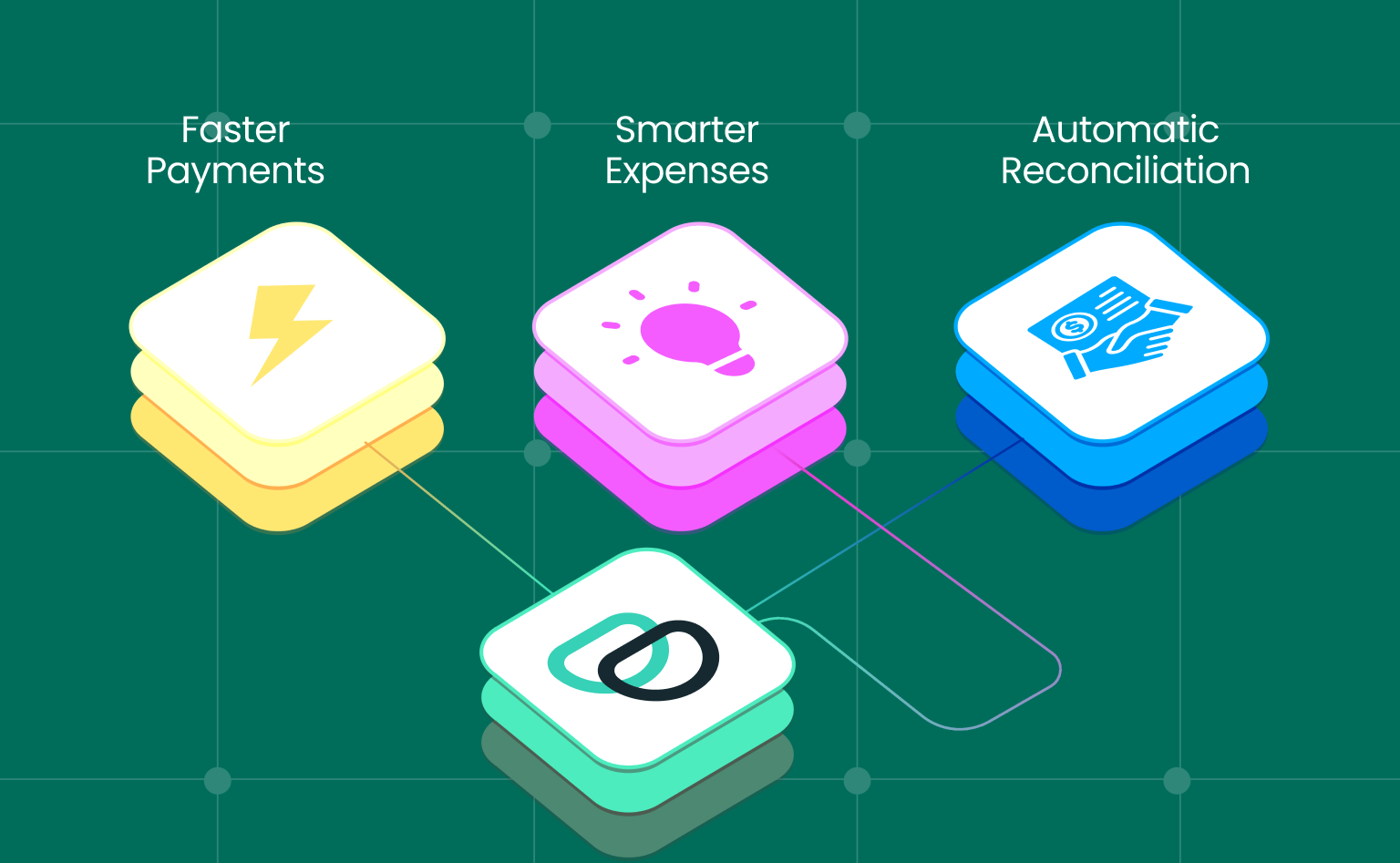
Global Payments to 160+ countries. Send raw material and supplier payments in USD, EUR, GBP, and local currencies directly into bank accounts worldwide, without unnecessary intermediary routing.
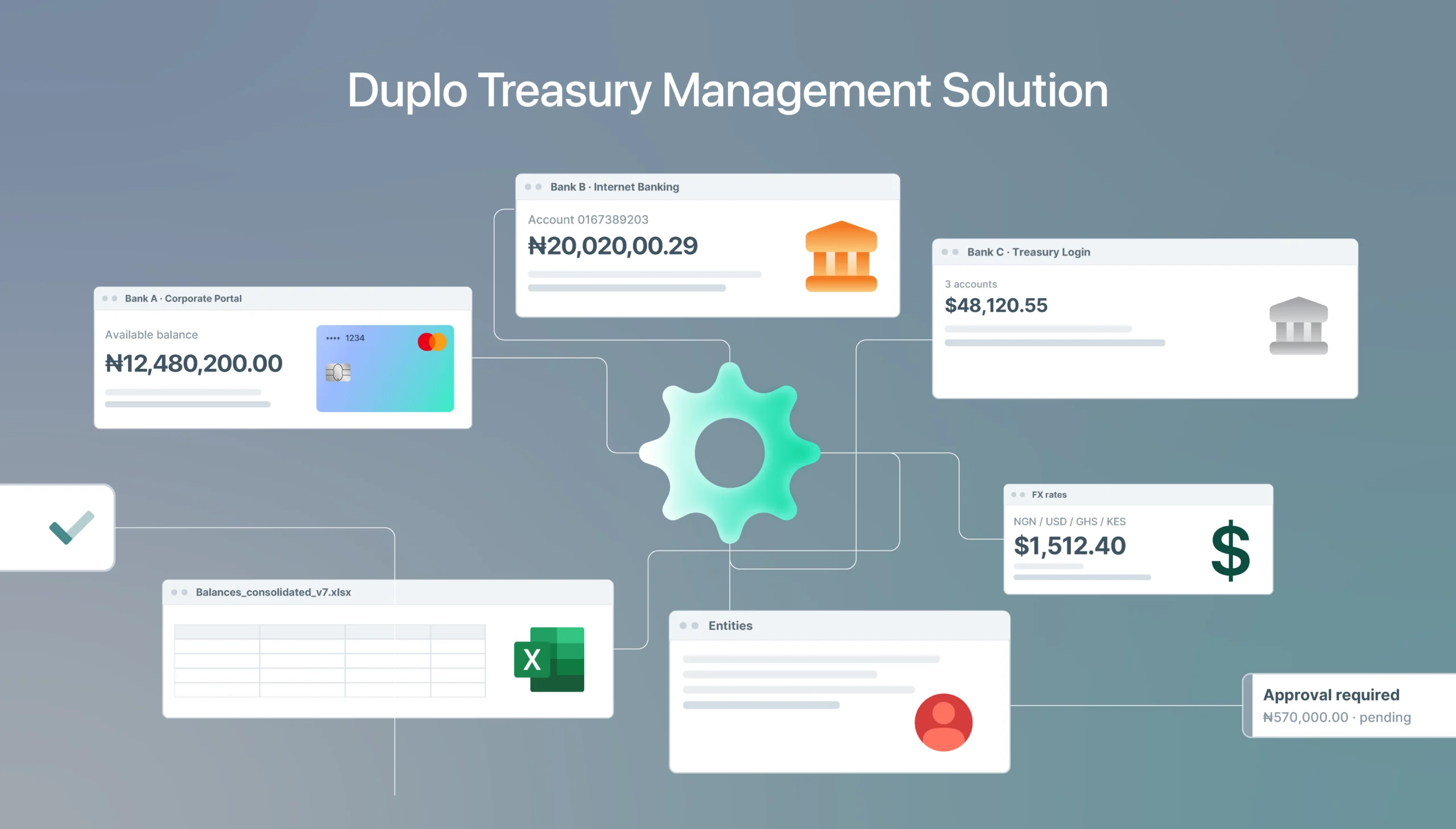
Multi-Currency Wallets. Hold USD, EUR, and GBP balances and pay suppliers directly from the relevant foreign currency balance. Receive export revenues and deploy them for import payments in the same currency, eliminating conversion cycles.
Instant FX Swap. Convert between NGN, USD, EUR, and GBP at competitive rates when your timing is right, not when an invoice forces your hand. Full cost disclosed before you confirm.
Bulk Payments. Pay up to 500 suppliers in a single run via CSV, API, or dashboard. Reduce per-transaction FX costs and processing time on regular supplier payment cycles.
Auto Reconciliation. Every import payment and export receipt is automatically matched to its corresponding record. Month-end close stays accurate without manual matching across multiple bank accounts.
? Get started with Duplo. Book a demo to speak with a member of our team today.
Frequently Asked Questions
How do I pay overseas raw material suppliers from Nigeria? Use a cross-border payment platform like Duplo, which supports payments to 160+ countries in 80+ currencies. Payments go directly into supplier bank accounts with transparent FX rates and real-time delivery confirmation, so your suppliers know funds have arrived without chasing you.
How do I manage FX risk on machinery imports? Convert to the payment currency ahead of the invoice where possible, rather than at the moment payment is due. Holding foreign currency balances in a multi-currency wallet gives you the flexibility to convert when rates are favorable rather than when a deadline forces your hand.
What is the most cost-effective way to pay multiple international suppliers? Batch your payments into scheduled weekly or bi-weekly runs rather than initiating individual transfers. This reduces the number of FX conversions, lowers per-transaction costs, and gives you control over conversion timing.
How should African manufacturers collect export payments? Receive export proceeds into a global account that holds the currency without auto-converting. Use those balances to offset import payment obligations in the same currency before converting the net position.