Most African businesses making international payments today are using one of two options: a traditional bank wire transfer or a fintech payment platform. Both are regulated. Both are accessible. But the differences between them on cost, speed, and visibility are large enough to materially affect how your business operates every month.
Traditional bank transfers typically cost 7% or more of the transaction value when fees and FX margins are combined, while fintech platforms offer significantly lower rates ranging from 1.5% to 3%. On a USD 50,000 supplier payment, that gap is USD 2,500 saved or lost on a single transaction. For businesses making regular cross-border payments in Africa, the choice of payment channel is a financial decision, not just an operational preference.
This guide makes the comparison directly across the five dimensions that matter.
Settlement Speed on Cross-Border Payments in Africa
Bank wire transfers routed through the correspondent banking system take two to five business days on most African payment corridors. On corridors with fewer direct correspondent relationships, the wait is longer. The timing is also asymmetric in a way that catches businesses unprepared: a payment initiated on Thursday afternoon in Lagos misses cut-off windows at correspondent banks in Europe and North America. It gets processed Friday morning and may not arrive at the destination until Monday, a four-day wait on what should have been a straightforward transaction.
Settlement times of three to seven days create cash flow gaps and working capital challenges for businesses dependent on timely cross-border payments. For manufacturers waiting on raw material release, logistics companies managing demurrage-sensitive shipments, or importers with advance payment terms, those days translate directly into cost.
Fintech platforms use pre-funded local accounts and direct banking integrations to initiate payments at the destination end without waiting for the correspondent chain. On major cross-border payment corridors in Africa, settlement happens in hours. On intra-African corridors connected through PAPSS, it can be near-instant.
Verdict: Fintech platforms settle cross-border payments in Africa significantly faster, often by two to four business days on the same corridors.
FX Costs and Rate Transparency on International Payments in Africa
Bank wire transfers apply an FX margin above the interbank rate that is built invisibly into the exchange rate on your transaction record. That margin is rarely disclosed as a separate figure. Traditional bank transfers often cost 7% or more when fees and FX margins are combined, yet most businesses only see the stated transfer fee and assume that is the full cost.
The interbank rate is the rate at which banks trade currency with each other. Businesses almost never receive it. The gap between the interbank rate and what your bank applies is your true FX cost per transaction, and it compounds across every cross-border payment your business makes.
Fintech platforms disclose the exchange rate and the FX spread separately before you confirm. Fintech-driven solutions offer faster settlements and lower fees, making it easier for African businesses to process payments from global customers and unlocking new revenue streams. The transparency alone changes what your finance team can do: benchmark rates, compare providers accurately, and know the true cost of every international payment.
Verdict: Fintech platforms are cheaper on cross-border payments in Africa and more transparent. The all-in cost advantage over bank wire transfers is typically 4–6 percentage points per transaction.
Payment Visibility on Cross-Border Payments
Bank wire transfers offer a SWIFT reference number after initiation and very little else. Opaque status tracking leaves businesses unsure whether international payments are being processed, delayed, or failed, while reconciliation complexity across multiple currencies and payment systems consumes significant finance team time.
If a cross-border payment has not arrived after three business days, the only way to investigate is through your bank, which submits an inquiry to its correspondent bank, waits for a response, and relays it back. That process can take days. In the meantime, your supplier is asking and you have nothing to show them.
Fintech platforms provide real-time tracking as standard on cross-border payments. Status updates at each stage, initiated, processing, in transit, delivered, with timestamps you can share with suppliers before they chase you. Modern platforms provide full visibility into payment status, eliminating the black box experience that characterizes traditional international banking channels.
Verdict: Fintech platforms provide meaningfully better visibility on cross-border payments. For businesses managing supplier relationships across multiple corridors, the difference is operationally significant every week.
Compliance Handling for International Payments in Africa
Bank wire transfers carry deep, established compliance infrastructure built over decades. This provides institutional reliability, particularly for large or complex transactions. In practice, however, compliance in bank wire transfers tends to be reactive: payments are submitted and then reviewed, creating holds and documentation requests mid-transfer, often with little explanation or timeline for resolution.
Fintech platforms that have invested in compliance embed requirements in the workflow from the start. Documentation is verified upfront. AML and KYC screening happens during payment setup, not after submission. Regulators are modernizing KYC and AML frameworks to support digital onboarding while maintaining strong compliance controls, and the best fintech platforms are built to operate within those updated frameworks.
Verdict: Both handle compliance, but fintech platforms handle it more efficiently. Front-loading the process reduces mid-transfer holds and makes settlement on cross-border payments more predictable.
Accessibility and Integration for African Businesses
Bank wire transfers require an existing account relationship, established international transfer capabilities, and in some cases minimum balance requirements. For businesses in markets with limited correspondent banking coverage, access can be a genuine constraint on which cross-border payment corridors are available to them at all.
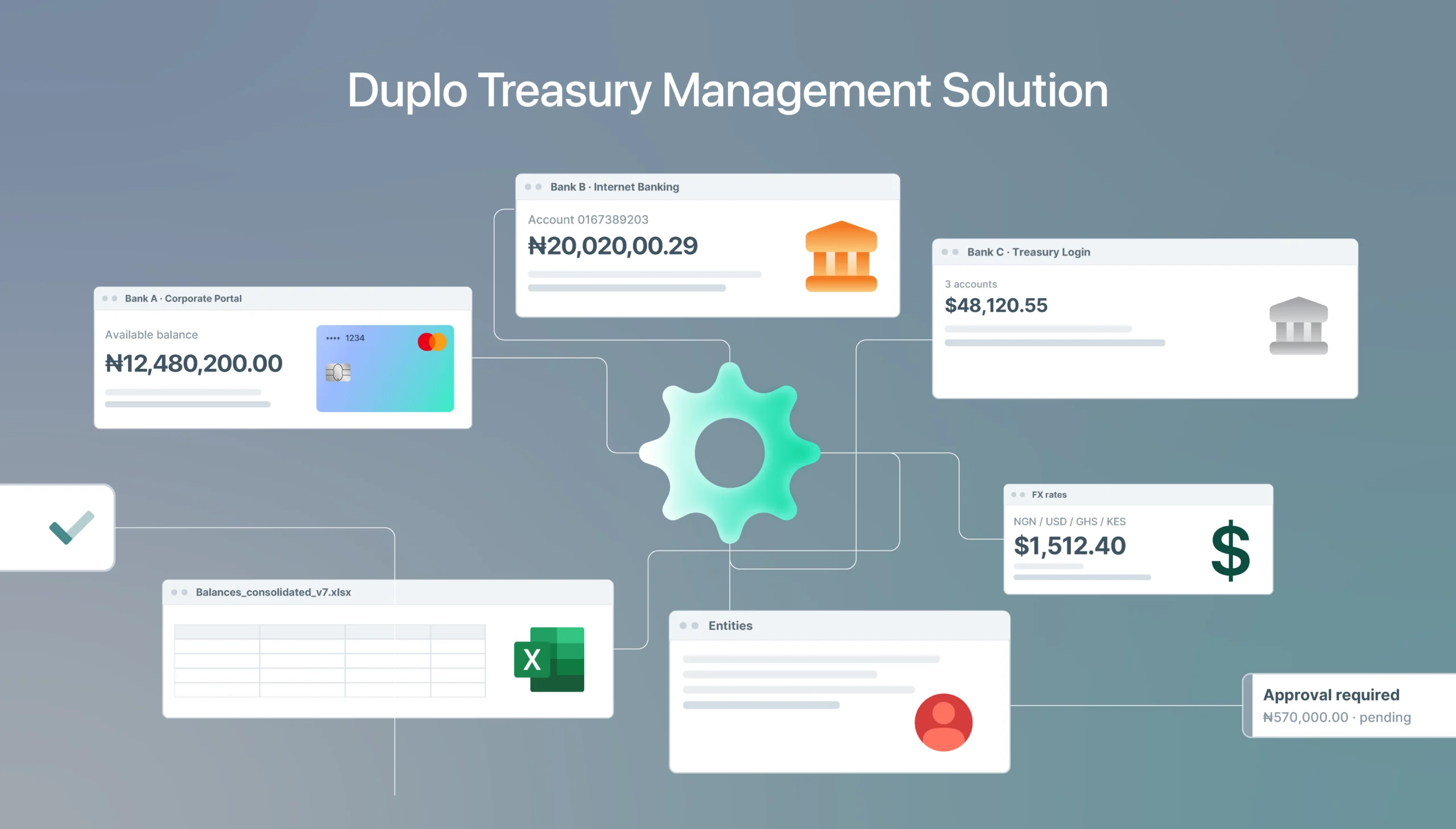
Fintech platforms onboard faster, with clearer documentation requirements and API access for payment automation. Native integrations with accounting tools like QuickBooks, Sage, and Xero mean payment data flows into your books automatically, eliminating the manual reconciliation work that bank wire transfers require.
Verdict: Fintech platforms are more accessible and better integrated into business operations, particularly for teams making regular cross-border payments across multiple corridors.
How Duplo Compares on Cross-Border Payments in Africa
Duplo is CBN-licensed, PCI DSS certified, ISO certified, NRS SI and APP licensed, and NDPC-registered. We support payments to 160+ countries in 80+ currencies, with competitive FX rates and the full cost disclosed before every transaction is confirmed.
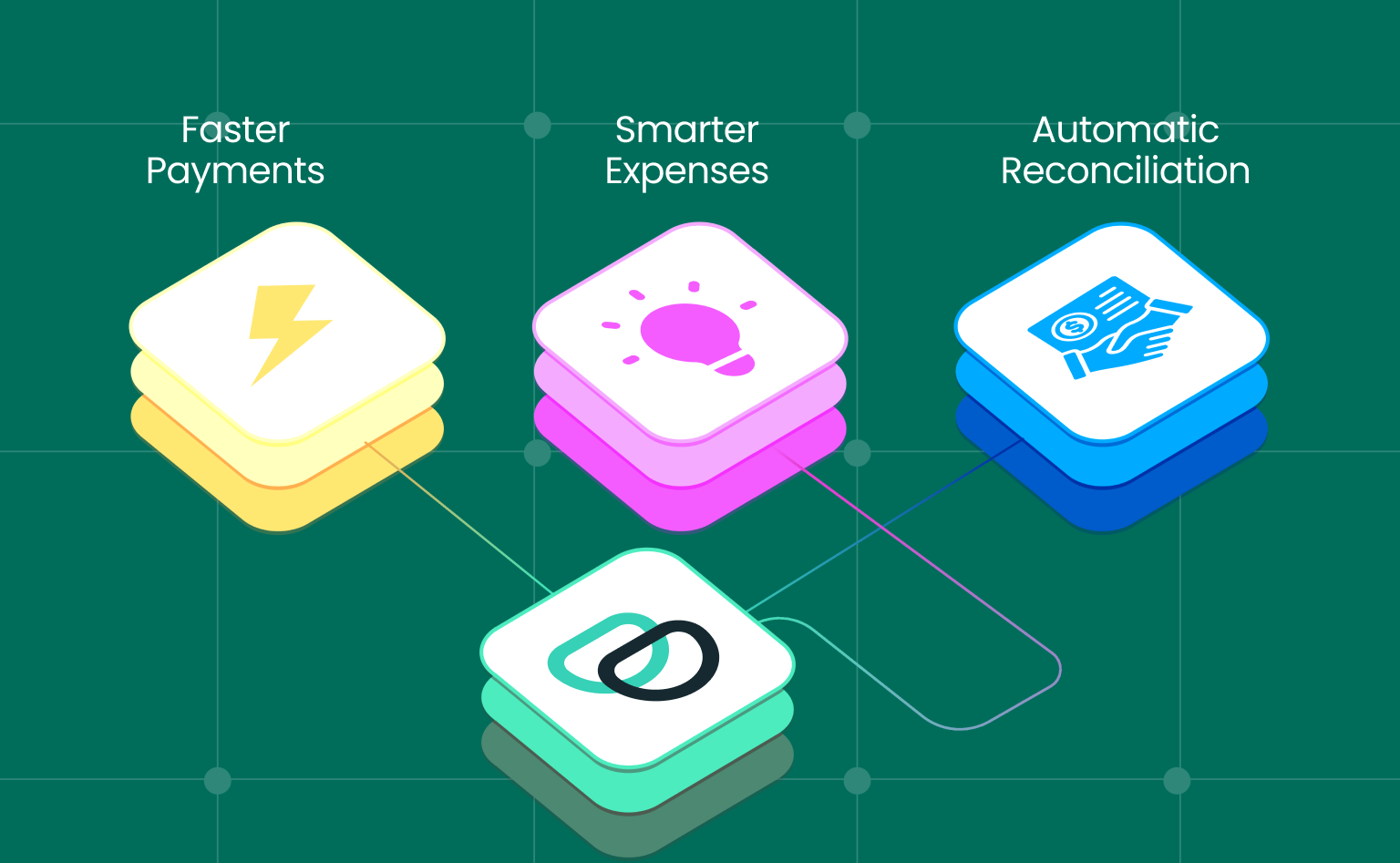
Our platform delivers faster settlement using local banking networks, real-time tracking from initiation to delivery, multi-currency wallets in NGN, USD, EUR, and GBP, bulk payments for up to 500 recipients, and native integrations with QuickBooks, Sage, and Xero.
Conclusion
The comparison between bank wire transfers and fintech platforms for cross-border payments in Africa has shifted decisively. What was once a choice between the only available option and an unproven alternative is now a comparison between a slow, expensive, opaque legacy system and a faster, cheaper, more transparent platform. Both operating within the same regulatory framework.
The main reason most African businesses are still using bank wire transfers is not that they have evaluated the comparison and concluded banks are better. It is that they have not done the comparison at all. The cost of doing it is an hour. The benefit, lower costs and better visibility on every cross-border payment that follows, is ongoing.
Duplo is ready to show you exactly what the difference looks like in your specific corridors. Start here: book a demo to speak with a member of our team.
Frequently Asked Questions
Is it safe to use a fintech platform for cross-border payments in Africa? Yes, provided the platform holds the appropriate licenses. For Nigerian businesses, look for CBN licensing, PCI DSS certification, ISO certification, and NDPC registration. These confirm the platform operates within the full regulatory framework.
How do I calculate the true cost of a bank wire transfer for international payments? Compare the exchange rate applied to your transaction against the live interbank rate at the moment of transfer. The difference is your FX margin, separate from the stated fee. Adding both gives the all-in cost. Most businesses find the FX margin is larger than the fee itself.
Can fintech platforms handle large B2B cross-border payments in Africa? Yes. The distinction between fintechs and banks on transaction size has narrowed significantly. Licensed platforms like Duplo support high-value B2B cross-border payments with the same compliance rigor as traditional banks. But with better rates, faster settlement, and full payment visibility.