
Africa’s cross-border payments market is worth approximately USD 329 billion in 2025 and is projected to reach USD 1 trillion by 2035. That growth is being driven primarily by fintech innovation, the rise of mobile money, and increased intra-African trade, with the market expanding at a compound annual growth rate of about 12%.
But the headline numbers only tell part of the story. The more significant shift is structural. For decades, international payments for African businesses meant one thing: the correspondent banking system. Slow, expensive, opaque, and built for a world that no longer exists. Fintech companies are now building around it, under it, and in some cases replacing it entirely. The result is a meaningfully different experience on cost, speed, and visibility for businesses willing to make the switch.
This guide explains what the transformation actually looks like, how to tell genuine progress from marketing claims, and what it means for African businesses making international payments today.
What the Correspondent Banking Model Gets Wrong for Africa
The correspondent banking model was designed in an era of telex machines and paper documentation. It works by routing payments through chains of intermediary banks, each holding accounts in both currencies involved in a transfer. Every intermediary extracts a fee, applies an FX margin, and runs its own compliance check before passing funds along.
Traditional banks continued to be costly, with average fees exceeding 11% per transaction, lengthy process times, and limited access for businesses without established banking relationships. For African corridors specifically, the chains are longer because fewer African banks hold direct relationships abroad, which means more hops, more fees, and slower settlement.
Intra-African trade still accounts for only 15% of the continent’s total trade, compared to 58% in Asia and 67% in Europe. The cost and complexity of cross-border payments is a direct contributor to that gap. When it is cheaper and faster to trade with Europe than with a neighboring African country, the payment infrastructure is part of the problem.
How Fintechs Are Building a Different Architecture
The most effective fintech approaches to cross-border payments do not try to improve the correspondent banking model. They route around it. Rather than relying on chains of intermediary banks, they build or partner with local banking presences in destination markets, maintaining pre-funded accounts that allow them to initiate local payments at the receiving end of a transfer without routing funds through the global banking system.
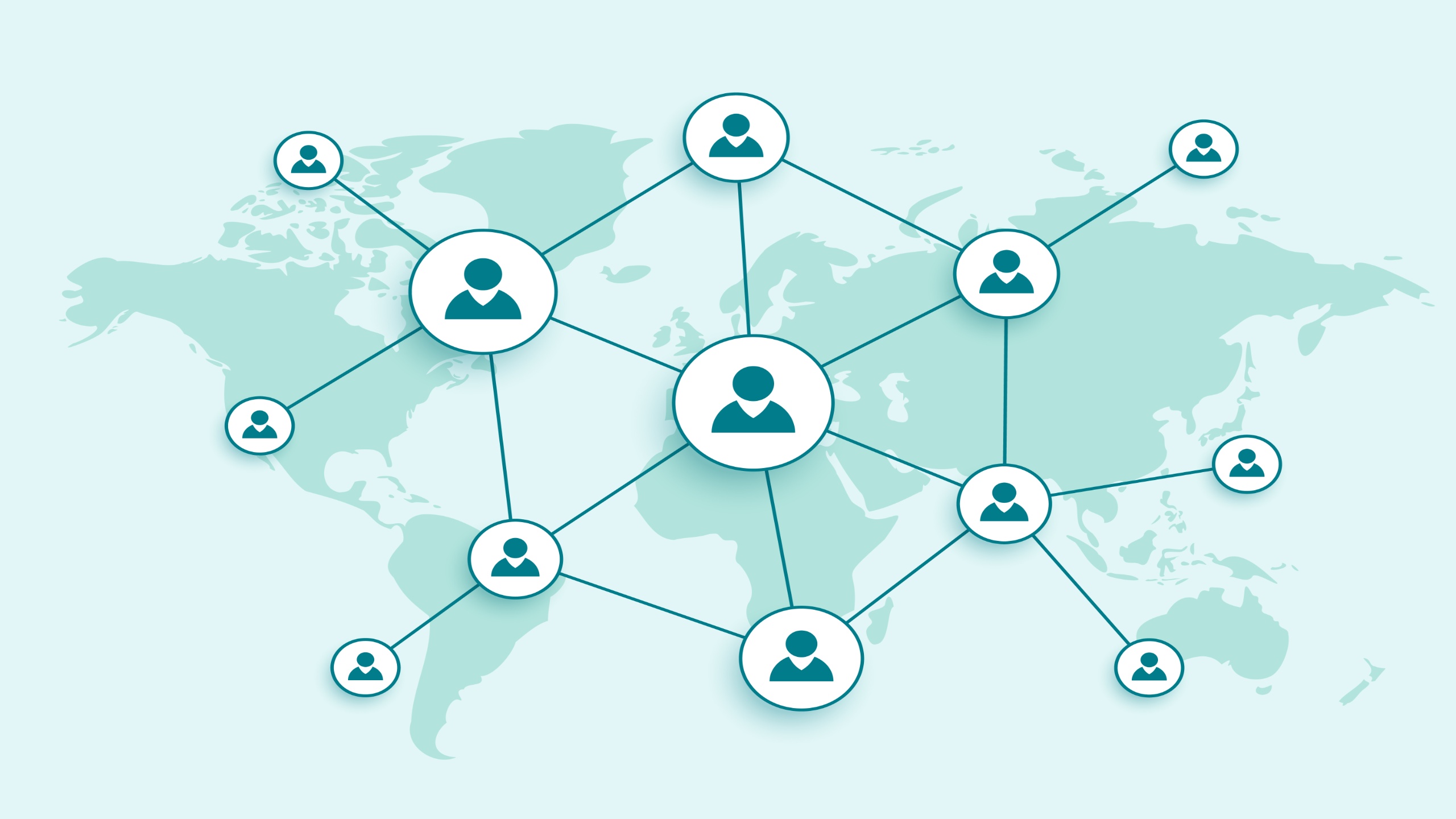
African fintechs are fixing this by building direct connections between local mobile money wallets, banks, and global systems. Instead of a payment bouncing through three or four intermediary banks in New York or London, each taking a cut, these companies create shortcuts.
The outcomes of this architecture shift:
- Faster settlement because fewer intermediaries are involved and no batch processing windows to wait for.
- Lower cost because fewer institutions are extracting fees from each transaction.
- Better visibility because the platform controls both ends of the transaction and can provide real-time status updates.
- Tighter FX rates because the platform aggregates volume and can access pricing closer to the interbank benchmark.
Traditional Banks vs Fintech Platforms: How They Compare on Cross-Border Payments
The table below shows how the two models compare across the dimensions that matter most for African businesses making regular international payments.
| Dimension | Traditional Bank Wire Transfer | Fintech Payment Platform |
| Settlement speed | 2–5 business days | Same day to next day on major corridors |
| FX transparency | Margin built into rate, not disclosed | Rate and spread shown separately before confirmation |
| Average total cost | 7–11% of transaction value | 1–3% of transaction value |
| Payment tracking | Reference number only | Real-time status from initiation to delivery |
| Compliance handling | Reactive, post-submission review | Embedded in workflow upfront |
| Multi-currency support | Typically single-currency per account | Hold and transact in multiple currencies from one wallet |
| Accounting integration | Manual export or none | Native integration with QuickBooks, Sage, Xero |
| Accessibility | Requires established banking relationship | Faster onboarding, API access available |
The gap across nearly every dimension is meaningful. For businesses making regular international payments, it translates into real cost savings and operational improvements that compound month over month.
The Infrastructure Enabling the Transformation
Several developments are accelerating the fintech transformation of African cross-border payments beyond individual platform improvements:
PAPSS. The Pan-African Payment and Settlement System, launched by Afreximbank and the African Union, enables real-time settlement in local African currencies, eliminating the USD detour that adds 2–5% to every intra-African transaction. By early 2025, PAPSS had enabled real-time cross-border payments across 17 countries, connecting 14 national switches and over 150 commercial banks.
Mobile money rails. Mobile money platforms offer fees ranging from 1.5% to 3%, compared to traditional bank transfers, which often cost 7% or more, and Africa accounts for 66% of global mobile money transaction volume. Fintech platforms that plug into these rails extend their reach to businesses and partners in markets where formal banking infrastructure is thin.
AfCFTA. The African Continental Free Trade Area is creating regulatory momentum toward harmonized payment frameworks. As trade barriers fall, payment infrastructure that can operate across multiple African corridors efficiently becomes a competitive necessity for businesses, not just a convenience.
How to Tell Genuine Fintech Progress From Marketing Claims
Not every platform claiming to be faster and cheaper than a bank delivers on that promise equally. Evaluating cross-border payment fintechs requires looking at specific, verifiable metrics:
- Settlement time on your actual corridors, not the best-case showcase corridor in their marketing material.
- All-in cost per transaction, including the FX margin, not just the stated transfer fee.
- Regulatory credentials: CBN licensing, PCI DSS certification, ISO certification, and NDPC registration are the standards that matter for Nigerian businesses.
- Support quality when something goes wrong, not just when onboarding is going smoothly.
How Duplo Is Part of the Transformation
Duplo is a CBN-licensed, PCI DSS certified, ISO certified, NRS SI and APP licensed, and NDPC-registered payment platform built specifically for African businesses. We use local banking integrations and pre-funded accounts to deliver faster settlement than the correspondent chain, transparent FX pricing with no hidden spreads, and multi-currency wallets that eliminate unnecessary conversion cycles.
Our platform integrates natively with QuickBooks, Sage, and Xero, so payment data flows into your accounting records without manual work. Every transaction is tracked in real time, automatically reconciled, and documented for compliance without additional effort from your team.
The Path Forward
The fintech transformation of African cross-border payments is not complete. Full PAPSS adoption, regulatory harmonization across all African markets, and real-time settlement on every major corridor will take time. But the improvement available right now, through platforms that have built local payment infrastructure and transparent pricing, is already substantial.
The companies that succeed in Africa’s rapidly integrating economy will be those that build modern payment infrastructure, enabling them to trade seamlessly across borders. Businesses still using bank wire transfers for international payments are not waiting for a better system to arrive. A better system is already available.
Duplo is ready to demonstrate what that looks like for your business. Start by booking a demo with a member of our team.
Frequently Asked Questions About Cross-border Payments
How are fintechs making cross-border payments cheaper in Africa? By routing around the correspondent banking chain. Instead of payments passing through multiple intermediary banks each extracting a fee, fintech platforms use local banking networks and pre-funded accounts to deliver payments more directly, at lower cost and with better FX rates.
Is it safe to use a fintech platform for international business payments? Yes, provided the platform holds the appropriate regulatory licenses. For Nigerian businesses, look for CBN licensing, PCI DSS certification, ISO certification, and NDPC registration. These credentials confirm the platform operates within the regulatory framework and meets security standards.
How does PAPSS affect cross-border payments for African businesses? PAPSS enables real-time settlement between African countries in local currencies, eliminating the USD conversion that adds cost to every intra-African transaction. As more corridors come online, businesses using PAPSS-connected platforms will benefit from lower costs and faster settlement on intra-African payments.